
Building Wealth With North Jersey Rental Properties: The Investor Roadmap From First Deal to a Portfolio

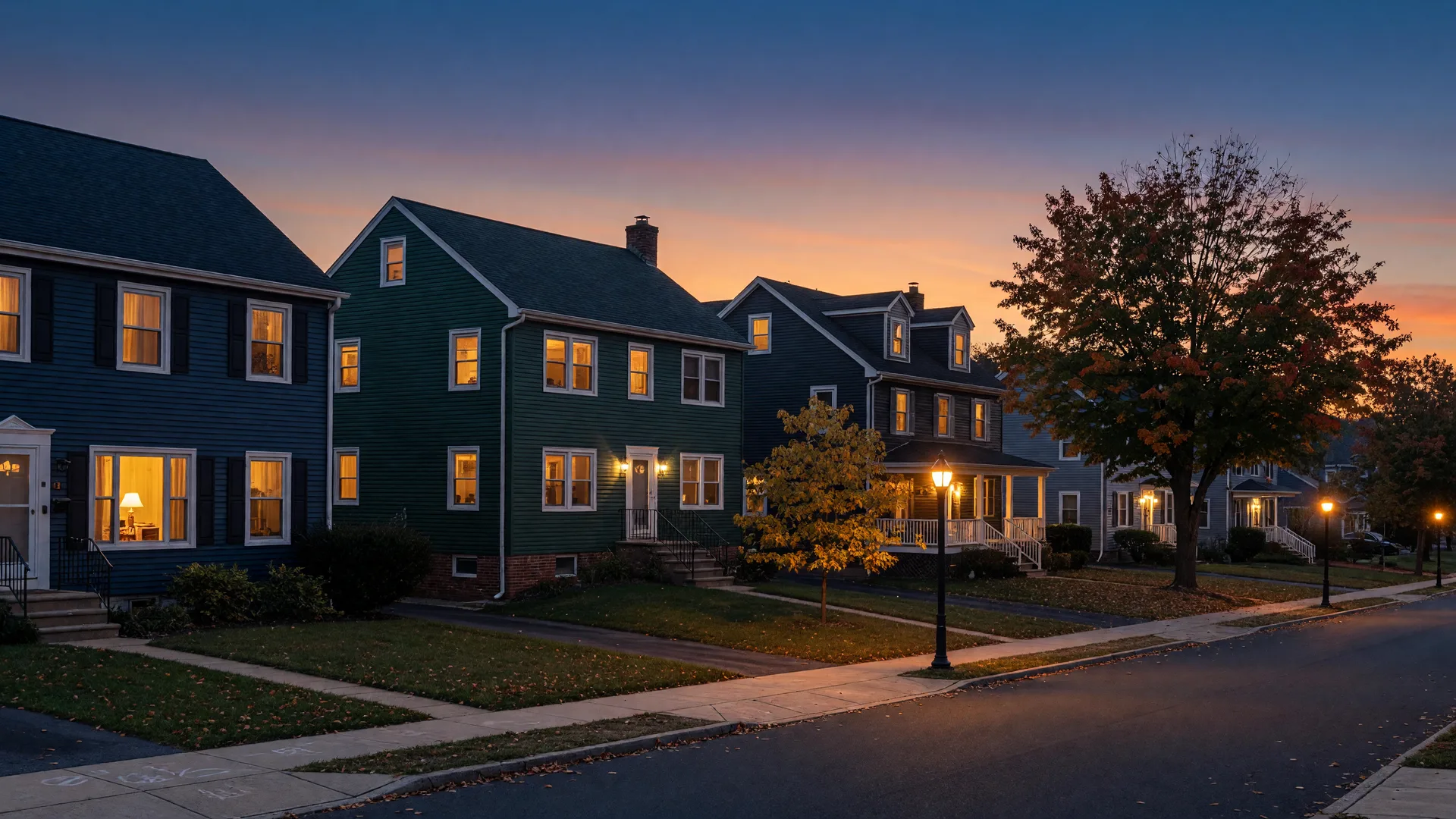
Building wealth through North Jersey real estate is a sequence, not a single lucky purchase. Buy a two-family in Paterson or Passaic, live in one unit while the other pays a big chunk of the mortgage, refinance the equity out a few years later, and use it to buy the next building. That is how working families across Clifton, Paterson, Passaic, Woodland Park, Totowa, Haledon, and Garfield have built wealth for generations, and it still works when the numbers are honest. I have been helping buyers and investors across Passaic and Bergen County for over fifteen years, and this is the roadmap I walk every client through.
Start With the Deal That Gets You In: The Owner-Occupied Two-Family
Most portfolios I watch succeed start the same way: a two or three-family bought with the owner living in one unit. That is house hacking, and the loan programs are built for it. FHA backs residential loans on one to four unit properties, so with a credit score of 580 or better you put 3.5% down, move in within 60 days of closing, and stay at least 12 months. Up to 75% of the projected rent counts as qualifying income, so the rent helps you qualify for a bigger mortgage than your paycheck alone supports, and a two-family duplex is exempt from the FHA self-sufficiency test on three and four unit buildings.
New Jersey layers real help on top. NJHMFA offers eligible first-time buyers up to $15,000 toward down payment and closing costs in Passaic and Bergen County, a 0% interest second loan forgiven after five years in the home, for households earning up to 140% of area median income, about $145,880 on the 2026 limits. On a $500,000 two-family, 3.5% down is $17,500, so the NJHMFA money covers most of it. Entries are real too: Paterson two and multi-family listings run roughly $475,000 to $900,000, and Passaic multi-family listings center near $499,000.
The Two Numbers That Decide Every Deal: Cap Rate and Cash Flow
The cap rate is net operating income divided by price, and it cuts through the seller's story. Listed multi-family caps in Passaic County run about 5.5% to 8%, averaging around 6%. A cap rate only matters if the income is real, so rebuild net operating income from the actual rent roll: budget 40% to 45% of gross rent for taxes, insurance, vacancy, and repairs, a reserve of about 1% of value a year, and 5% to 8% vacancy before a deal counts as profitable. My multi-family analysis guide walks through the full framework.
Here is the honest 2026 reality. With a 30-year fixed rate near 7%, most listed multi-families at full asking with 20% down do not cash flow on day one: a Passaic two-family at $499,000 with $42,000 of gross rent nets about $24,000 to $25,000 before a mortgage of roughly $2,500 to $2,700 a month. You win by buying below market, buying as an owner-occupant, or adding value and lifting rent. My line by line cash flow model is the exact spreadsheet I run on every deal.
How Do You Know the Rent Is Real?
The rent roll on a flyer is a starting point, not a fact. Sellers pad income, and padded income turns a real loser into a fake winner. Verify every unit against current market rent in the actual town: Clifton units run roughly $2,000 to $2,400 a month, Paterson averages near $1,700 with two-bedrooms around $2,000, and Passaic sits near $1,787. Then check the gap between current rent and market rent: that gap is your upside.
Two more things make the income real in this market. Section 8 first: the FY 2026 payment standard for a two-bedroom in Passaic County runs roughly $2,100 to $2,800, and a voucher tenant who passes the housing authority inspection is as reliable a rent check as a landlord can get. Rent control second: Paterson caps annual increases at 5%, Passaic at 3% with no vacancy reset, and Clifton around 3% on larger buildings, so if you plan to raise rents, read the ordinance before you model the exit, not after.
The BRRRR Play: When One Deal Pays for the Next
BRRRR stands for buy, rehab, rent, refinance, repeat, and it works in Paterson and Passaic because the stock skews older and under-improved: two and three-family buildings with dated kitchens and deferred maintenance are exactly what the strategy is built for. You buy below value, put in the work that raises the rent and the value, rent it out, then refinance at 70% to 75% loan to value to pull most of your cash back and do it again.
The discipline is the refinance step. You need the appraised value to jump enough that the new loan returns most of your cash, which only happens if you bought below market first. Overpay on the front end and BRRRR just becomes an expensive rehab. Plan for the loan change too: an investment refinance is a different product, usually 25% down at a higher rate, so the refinance math has to work before you spend a dollar on the rehab.
Run It Like a Business or It Runs You
Most new investors underestimate the operating side, and that is where portfolios quietly die. A local property manager charging 8% to 10% of collected rent is not a luxury, it is the difference between a working model and an out-of-state owner's phone ringing at 2 a.m. New Jersey rules matter: deposits cap at 1.5 times one month's rent, photograph the unit with a dated walkthrough at move-in, and move on arrears the same week. My property management guide covers the full operating playbook.
Property taxes are the number to nail before you buy: effective rates in Paterson and Passaic typically land in the 2% to 4% range, so a $500,000 building can carry a five-figure annual tax bill. Once you own two or three buildings, sit down with a CPA about entity structure; an umbrella policy is the cheap first layer, an LLC the next, and the financing trade-offs are real.
Off-Market Is Where the Compounding Starts
Your second and third deals are easier than the first: you stop competing with every first-time buyer. The best numbers come from inventory that never hits the open market: estates with multi-family buildings, landlords ready to exit, and probate properties where the executor needs certainty more than a record price. As a Certified Probate Specialist, I see these buildings before they are marketed publicly, and that early look creates the below-market entry that makes the BRRRR math work. How off-market sourcing works is worth a full read.
The Roadmap, Five Deals Deep
Put it together and the sequence is clear. Deal one: owner-occupied two-family on 3.5% down with NJHMFA help, live in one unit. Deal two: refinance or save the equity and buy a second multi-family on an investment loan, conventionally 25% down on a two to four unit building. Deal three and beyond: recycle the cash flow and the refinances, hold what works, and let appreciation, paydown, and tax benefits compound. That is how a first duplex in Paterson becomes five buildings and a serious equity position in a decade.
Bring me the building you are looking at, or tell me what you want to buy, and I will show you the honest rent, the real cap rate, and whether the deal works at today's rates, then map the sequence to your next property. The goal is not just to close, it is to help you win. Talk soon.
Ready to Run the Numbers on Your First North Jersey Deal?
Bring me the address or the offering memorandum. I will pull the comps and the market rent, run the cap rate and the cash flow, and tell you straight whether the deal works at today's rates, then map the sequence to your next property. Free consultation, no pressure.
North Jersey's AI-Certified Realtor with 15+ years of experience. Specializing in probate sales, short sales, and distressed properties in Passaic and Bergen County.