
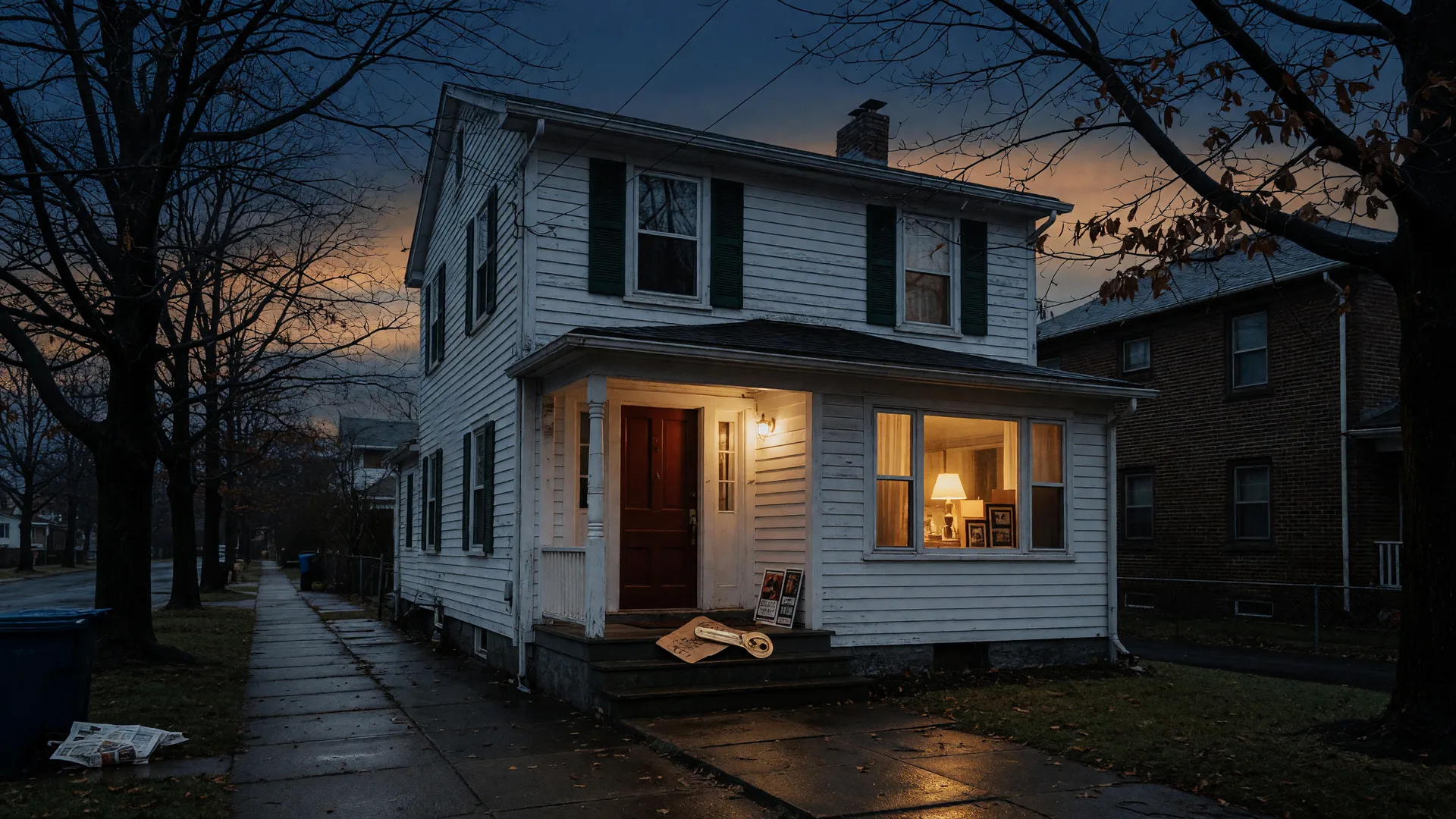
How Long Does a Probate Sale Actually Take in New Jersey? The Month-by-Month Timeline for Passaic and Bergen County Heirs

There are two different clocks running on every probate sale in New Jersey, and ignoring one of them gets families stuck. The first clock is the house: once the executor holds Letters Testamentary, a clean estate sale in Passaic or Bergen County usually closes within 60 to 90 days of going under contract. The second clock is the estate: New Jersey gives creditors nine months to present claims after the executor is appointed, so a clean file runs nine to twelve months. I am Johnny Rodriguez, a Certified Probate Specialist with Realty One Group Legend, with over fifteen years guiding estate sales across Clifton, Paterson, Passaic, Woodland Park, Totowa, Haledon, and Garfield. Here is the month-by-month version.
Month One: Get Letters Testamentary Before You Do Anything Else
Nothing gets sold until someone has the legal right to act. When there is a will, the executor files with the county Surrogate where the person lived: Passaic County's office is in Paterson, Bergen County's is in Hackensack. The Surrogate needs the original will, a certified death certificate, and the names of the next of kin. One rule surprises every family: the Surrogate cannot issue Letters Testamentary until at least 10 full days after the date of death, even when you file on day one.
In an uncontested file, the letters land in a few days to about three weeks. That piece of paper is the whole ballgame: it opens the estate account, talks to the mortgage company, and signs the listing and the contract. No will means the court appoints an administrator through Letters of Administration, which runs longer. Use the waiting weeks: order death certificates, find the deed, and get the house valued.
Weeks Two to Eight: The Notice, the Estate Account, and the Bills That Never Stop
Within 60 days of receiving the letters, the executor sends a notice of probate to the beneficiaries. That is not paperwork for its own sake; it starts the clock that protects everyone. The executor also opens a separate estate bank account using a tax ID for the estate, because estate money and personal money do not mix.
Now the bills that never stop. The mortgage rides with the house, so it stays current from estate funds, or the estate risks foreclosure while it is trying to sell. Property taxes and insurance run on the same calendar. I have watched estates lose thousands because nobody checked the escrow. Keep the payments boring and automatic: the cheapest thing you will do all year.
The Nine-Month Creditor Window: It Does Not Stop the Sale
Under N.J.S.A. 3B:22-4, creditors have nine months from the executor's appointment to present claims against the estate. Credit cards, medical bills, old judgments land in that window. What most families assume is that the house has to wait. It does not: the listing, the contract, and the closing can all happen while the window runs. What waits is the final distribution, since heirs are not paid until the executor knows what the estate owes.
Month Two, Three, or Four: List the House and Close in 60 to 90 Days
Once the letters are in hand, list the house. Estate sales are as-is sales: no gut renovations, no staging loans, priced from real comps rather than the tax assessment or what grief hopes the house is worth. The 60 to 90 day closing clock covers attorney review, the buyer's mortgage, and the title work, which traces the ownership history and surfaces old mistakes.
A few estates add weeks on top. A paid-off mortgage that was never formally released still sits as a lien on the recorded deed. A second name on the deed nobody remembers needs a document or an affidavit. A water bill lien, a code violation, or a tenant with a lease is a weeks-long fix. That is why the title search starts the day we meet.
The Taxes: Step-Up Basis, Inheritance Classes, and the L-9 Waiver
Two tax facts calm most families down. First, New Jersey has no estate tax for deaths after January 1, 2018, so most estates owe the state nothing. Second, the house receives a stepped-up basis: its value resets to the date-of-death value for federal capital gains. Mom paid $80,000 in 1985, the house is worth $520,000 now, and if you sell this year, the gain is measured from the day she passed. Heirs who sell quickly rarely owe capital gain.
New Jersey's inheritance tax is a different animal. Class A heirs, spouses, parents, children, grandchildren, pay zero. Class C, siblings, gets a $25,000 exemption and then pays 11% to 16% on the share above it. Class D, everyone else including nieces, friends, and unmarried partners, is taxed from nearly the first dollar at 15% to 16%. When anyone inheriting falls outside Class A, the estate files an inheritance tax return within eight months, and the closing needs the L-9 real property tax waiver before the deed can record. It is the document that gates your closing, so start it early.
Clearing Out the House: Set the Date, Then Work Backward
The cleanout is the emotional step wearing a chore costume. Set a firm date and work backward, and do not let the house sit full because clearing it feels like erasing them. The heirs keep the personal items that matter, and the estate pays to remove everything else: dumpsters, hauling, donation pickups, all legitimate estate expenses.
Before anything goes to the curb, pull the paperwork: mortgage statements, property tax bills, insurance policies, the deed, anything that looks like a title document, and put it in one folder. The rest, a whole life in three rooms, is where estates leak money when nobody sets the date. I have seen a cleanout delay a listing by weeks. Set the date in month one and you list in month two.
When Three Siblings Inherit One House: The Multi-Owner Rules
The hardest part of most estate sales is not the market, it is the table. When several siblings inherit one house, the executor or executors sign the contract and the deed. Everything runs clean only when every heir agrees up front: one price, one timeline, one decision.
Disagreement is where estates go to die. One heir wants to keep the house, three want to sell, nobody moves, and the house bleeds taxes and insurance for a year. The fix is agreement before listing: sell and split, buy out the others at an independent appraised value, or keep it only if everyone understands the carrying costs. When one side will not move, a court partition action can force the sale: the slowest, most expensive road in this article. I sit with the whole table early and make the fork in the road obvious.
The Bottom Line: A Clean File Runs Nine to Twelve Months
Put it together and the honest number is this: a clean probate sale in Passaic or Bergen County runs about nine to twelve months from the date of death to the day the estate closes and the heirs are paid. The house itself usually closes in four to six months. A contested will, a stubborn heir, a tenant, a title problem, or an estate short on cash can stretch it past eighteen months. None of it is a reason to panic; all of it is a reason to start now.
Three moves this week: order ten certified death certificates, file the probate so the clock starts, and get the house valued by someone who sells probate estates, not by the tax bill. Send me the death certificate and the address, and I will pull your county's requirements, walk you through the timeline for your file, and tell you what the house is worth today. Read more about how I handle probate and estate sales. Free consultation, no pressure, straight answers. I solve problems before they become deal killers. Talk soon, Johnny.
Inherited a House in Passaic or Bergen County?
I am Johnny Rodriguez, a Certified Probate Specialist with Realty One Group Legend, with over fifteen years guiding estate sales across Clifton, Paterson, Passaic, Woodland Park, Totowa, Haledon, and Garfield. Bring me the address and the death certificate, and I will show you the real timeline, the tax waiver, and what the house is worth today. Free consultation, no pressure, completely honest.
Questions? Text Johnny.
Questions? Text or call Johnny Rodriguez at 973-390-7319. He answers fast and gives it to you straight, whether you are buying, selling, or sorting out an inherited property in North Jersey.
Keep reading
More guides from Johnny on buying, selling, and investing across North Jersey.
North Jersey's AI-Certified Realtor with 15+ years of experience. Specializing in probate sales, short sales, and distressed properties in Passaic and Bergen County.