
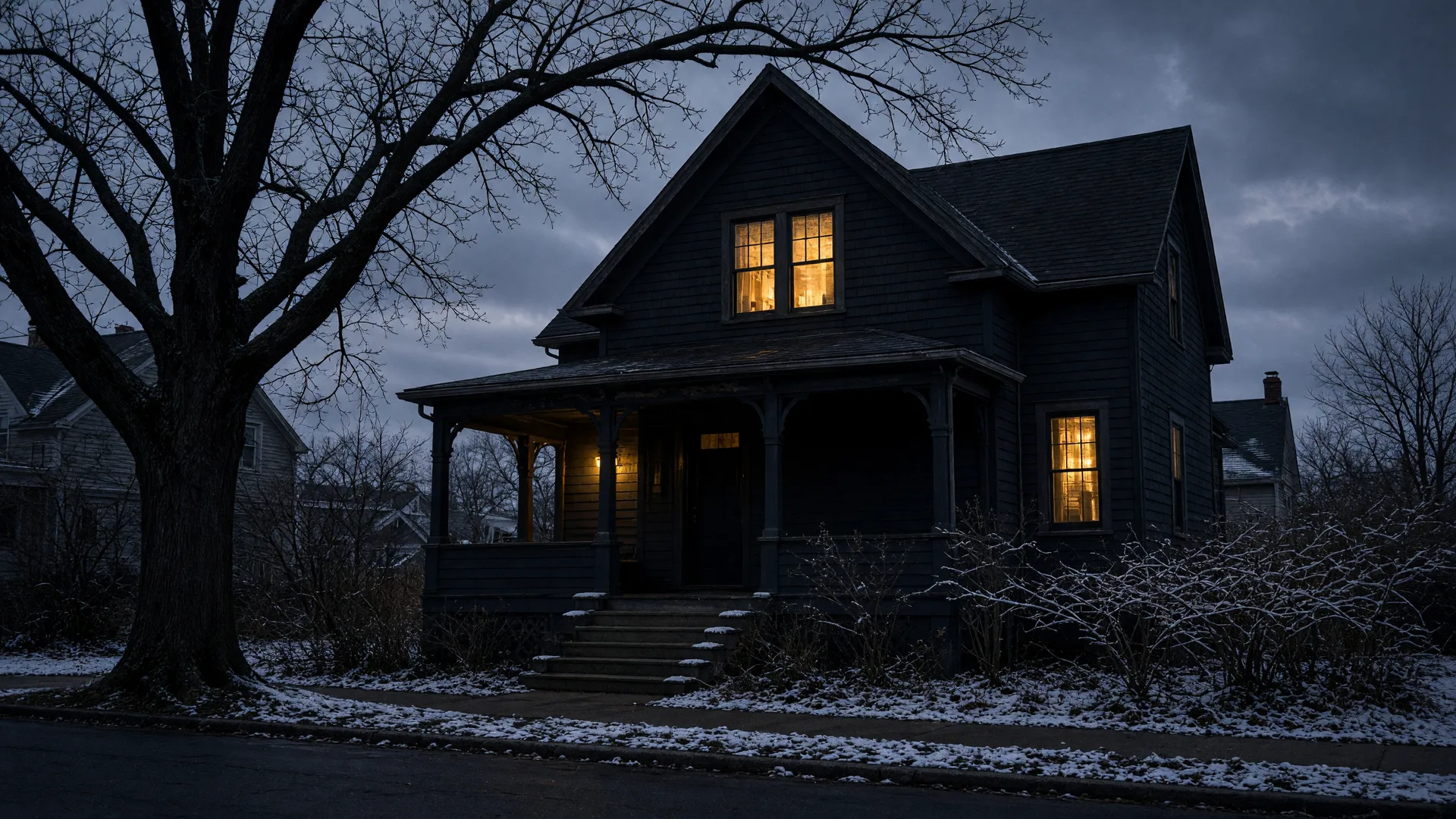
An Inherited Home Sits Empty in New Jersey: How Heirs Protect the House While the Estate Is Open

The scariest number in a probate sale is not the appraisal. It is the day count on an empty house. Inherited homes across Passaic and Bergen County sit vacant for three to twelve months while the estate sorts itself out, and in that window, before a single buyer walks through, the property is the most expensive thing nobody is watching. I am Johnny Rodriguez, a Certified Probate Specialist who has guided estate sales through Clifton, Paterson, Passaic, Woodland Park, Totowa, Haledon, and Garfield for over fifteen years, and the houses that lose the most money are rarely the worst conditioned ones. They are the ones left unprotected after the family leaves. Here is what you need to secure, insure, and watch on an inherited home before the sign goes in the yard.
An Empty House Is a Target
The week after a death, the neighbors are watching, and so is everyone else. Vacant houses draw thieves looking for copper pipe, brass fixtures, and anything an estate sale ad hinted at. I have walked into estates where the copper and pipes were pulled out of the walls between the viewing and the first walkthrough, where a water heater and a furnace left on a Tuesday were gone by Friday. That damage does not just cost money to repair. It stalls the listing picture, drags the price, and forces a delay at the exact moment the estate needs a fast, clean sale.
The first protective step costs almost nothing: change the locks and pull the for-sale-by-owner signs. On the day the executor takes over, rekey the doors, put deadbolts and window locks in order, and add a couple of cheap motion lights. If the house sits on a quiet Paterson block or a pass-through street in Clifton, a security camera pointed at the entrance covers more ground than a dozen family check-ins. You are not building Fort Knox. You are making the next empty house the easier target.
Give One Person Control of the Keys
Nothing drains an estate faster than a house with six keys in six hands. When several heirs each have a copy, friends and cousins come through, items move, and nobody can say who took what. In a multi-owner estate this becomes the first real fight, and it is a fight about nothing that should cost the estate anything. Put one person in control, usually the executor, and let that person manage every key and every showing. My estate cleanout playbook shows why the same discipline matters when the contents go.
When a listing agent takes over, security moves to a keyed lockbox and coordinated showings, so the house is only open to vetted buyers and only when someone responsible can vouch for the property afterward. Until then, one keeper of the keys, one firm rule about who enters, and a log of every visit prevent most of the chaos that empties a house before the market ever sees it.
Insurance Changes the Day a House Goes Vacant
Standard homeowner's insurance is written for a house with people in it. Tell the carrier the property is vacant and empty for more than thirty days past the death, and the policy can be cancelled or it will stop covering the theft and vandalism damage that defines a vacant house. The estate needs a vacant or unoccupied property policy, a specialist product that insures the structure and the liability gap your standard policy stops covering.
This is one bill you cannot skip. A vacant-house policy in North Jersey typically runs a few hundred dollars a month depending on the carrier and condition, which sounds like waste until the furnace gets stolen and a $6,000 claim becomes the estate's problem instead of the insurer's. The executor should make this call the same week the letters come in. My utilities, insurance, and taxes checklist lays out the full list of bills the estate keeps paying while the house sits empty.
Winter Is When an Empty House Dies
One frozen pipe can do more damage to an inherited home than a year of neglect. When the heat is cut and the water sits in the lines, a single cold snap in Woodland Park or Garfield bursts a pipe, and the leak runs unnoticed inside an empty house for days or weeks. Flooring, ceilings, drywall, electrical, mold: tens of thousands of dollars, all because nobody winterized.
Before the house is marketed, shut the water off at the main and drain the system, set a thermostat above freezing if you keep the heat on, or fully winterize if you do not. Budget for the utility runs during the listing, because buyers need the heat on for showings and appraisals. The estate pays the bill either way; the question is whether it also pays for the flood.
The Driveway, the Sidewalk, and Liability
A vacant house still carries liability. A tree limb drops on a neighbor's car, a slippery sidewalk catches a delivery driver, a squatter ignores the locks: the estate is the owner of record, and the estate answers for it. That is half the reason the vacant-policy coverage in the insurance section is non-negotiable.
Keep the yard mowed, the snow cleared, the walkway salted, and the exterior lit so nobody mistakes an empty house for an abandoned one. A maintained home also photographs better and shows buyers it has been cared for since the owners left, which protects the price at the same time it protects the estate.
The Municipal Side: Code Fines and Liens
Paterson, Passaic, Clifton, and the surrounding towns enforce property maintenance codes on empty houses, and the fines plus any liens that pile up come straight out of the estate. A high lawn, a missing window screen, a boarded property that looks abandoned, each one can draw a violation and a bill that multiplies if nobody responds. The executor should keep the house code-clean from the start, because municipal liens are exactly the kind of title problem that stalls a closing on the way to a buyer's attorney. My probate help page walks how an order of operations keeps a clean title and a clean house moving together.
Do Not Clear Away the Record
While you empty the rooms, keep the paperwork. Deeds, insurance policies, tax returns, utility accounts, warranty cards, bank and investment statements: before anything hits the dumpster, an executor should set aside the documents the estate or the sale will need. The cleanout should be organized enough to protect the records even as it clears the clutter.
The Plan With a Date
Protecting a vacant house comes down to a plan on a calendar, because every week of drift costs the estate real money. Assign the executor responsibility for the locks, the insurance, the utilities, and the code maintenance. Agree among the heirs, in writing if you own it together, on who pays for the security and upkeep while the estate is open, so the house is never the thing nobody owns. Then set the listing date far enough out to winterize, empty, and list in order, not all at once under deadline.
An inherited home is not just a house and a sale. It is the one asset that holds its value only if someone watches it, and the weeks it sits unprotected are the weeks the equity quietly leaks. Secure it, insure it, winterize it, and keep the municipal and title records clean, and the house sells on a normal timeline even when the goodbye is the hard part. The whole estate process, from the surrogate filing to the clean title to the closing check, is laid out in my complete inherited-home guide.
If you are sitting on an inherited property in Passaic or Bergen County, bring me the address and the paperwork and I will show you the honest value and the order of operations that protect it. Free consultation, no pressure. The goal is not just to close, it is to help you win. Talk soon.
Inherited a House in Passaic or Bergen County?
Get the honest as-is value and the order of operations to protect the house and close the estate. Free consultation, no pressure.
Questions? Text Johnny.
Questions? Text or call Johnny Rodriguez at 973-390-7319. He answers fast and gives it to you straight, whether you are buying, selling, or sorting out an inherited property in North Jersey.
Keep reading
More guides from Johnny on buying, selling, and investing across North Jersey.
North Jersey's AI-Certified Realtor with 15+ years of experience. Specializing in probate sales, short sales, and distressed properties in Passaic and Bergen County.