
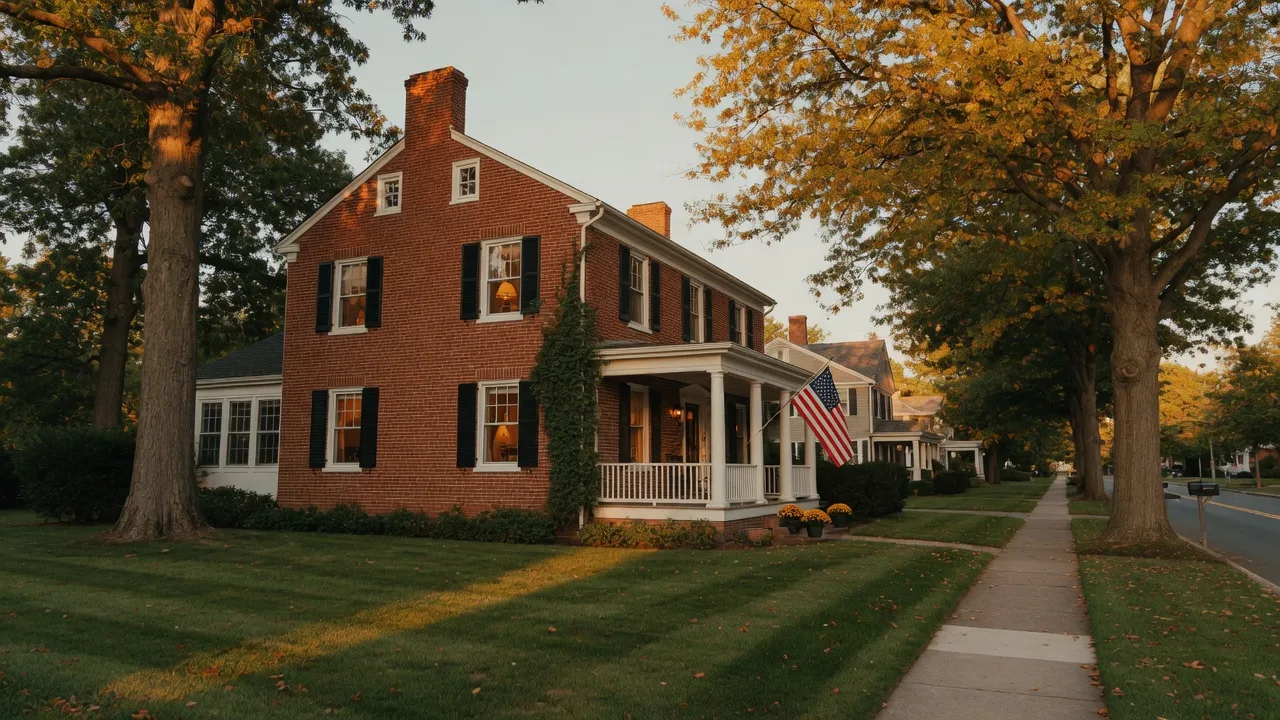
Complete Probate Guide for Heirs Selling Inherited Home in New Jersey

I have been a probate real estate specialist in North Jersey for 15 years. I have helped hundreds of families sell inherited homes in Clifton, Paterson, Passaic, Totowa, Woodland Park, Haledon, and Garfield. And I can tell you the single biggest mistake most heirs make: they assume selling an inherited home works the same way as selling any other house. It does not. There is a court process. There are tax deadlines. There are legal responsibilities that the executor cannot ignore. And there is almost always at least one family member who disagrees with everyone else. This guide walks you through the entire process from the day you learn you inherited the property to the day the closing check arrives. No fluff. Just what you actually need to know.
Step One: Determine Who Has Legal Authority to Act
Before anyone can make a single decision about the house, someone needs legal authority. If there is a will, the person named as executor must file it with the Surrogate's Court in the county where the deceased lived. In Passaic County, that is the Passaic County Surrogate's Court at 401 Grand Street in Paterson. In Bergen County, you go to 1 Bergen County Plaza in Hackensack. The court issues Letters Testamentary, which give the executor the legal power to manage the estate. This includes selling the house, paying debts, and distributing assets to the heirs.
If there is no will, the process is called intestate administration. The court appoints an administrator, usually the closest relative. The administrator has the same authority as an executor but needs court approval for certain actions, including selling real estate. If no one steps up to be the administrator, the court may appoint a public administrator, and that adds time and cost to the process. If you are the closest relative and there is no will, do not wait. File for administration as soon as you have the death certificate.
Understanding the New Jersey Probate Timeline
Here is what a realistic probate timeline looks like in New Jersey. I say realistic because many online guides promise a fast process, but the courts and the creditors have their own schedules. Plan for six months and be happy if it happens faster.
Weeks one through three: file the will or administration petition, get certified death certificates (order at least 10 copies), and receive Letters Testamentary or Letters of Administration. Weeks three through six: notify creditors by publishing a legal notice in the newspaper and sending direct notice to known creditors. The creditor claim period in New Jersey is four months from the date the notice is published. During that window, creditors can file claims against the estate for money owed. The estate generally cannot distribute proceeds to heirs until this period expires.
While the creditor period is running, you can list the house for sale, show it, negotiate offers, and sign a contract. The contract typically includes a clause stating that the sale is subject to court approval. The closing cannot happen until the court signs off, so listing early saves time. In my experience, listing within 30 days of receiving Letters Testamentary is the best strategy. The market in Passaic County is strong. Homes are selling in about 29 days for single-family homes. There is no reason to wait.
After the creditor period closes and you have a signed contract, the executor files a petition with the Surrogate's Court asking for approval to sell the property. The court schedules a hearing or issues an order. This takes two to four weeks in most Passaic and Bergen County courts. Once the court approves the sale, the closing can proceed. Total timeline from death to closing: three to six months for a straightforward estate. More if there are disputes, title problems, or complications with the will.
Tax Waivers and the NJ Division of Taxation
This is the step that trips up more probate sales than almost anything else. New Jersey requires a tax waiver from the Division of Taxation before the title can transfer to a new owner. The title company will not close without it. Period.
The tax waiver confirms that all state inheritance or estate taxes have been paid or that no tax is due. The executor or the estate attorney files Form IT-NR for inheritance tax and the appropriate estate tax forms if applicable. The waiver takes four to eight weeks from the time the forms are submitted. Families who wait until the contract is signed to start the tax waiver process end up delaying their closing by a month or more. Start this paperwork the same week you file the will. Do not wait.
Who pays New Jersey inheritance tax? Spouses pay nothing. Children and grandchildren pay nothing on estates up to a significant exemption limit. Siblings and other Class C beneficiaries pay 11% to 16% on amounts over $25,000. Nieces, nephews, and unrelated beneficiaries pay the highest rates. The estate attorney calculates the tax based on each beneficiary's relationship to the deceased. The good news: most direct heirs in a typical inherited home sale owe little or no state inheritance tax because the exemption covers estates that are under the threshold.
On the federal side, capital gains tax works differently. When you inherit a home, the cost basis steps up to the fair market value on the date of death. If Mom bought the house for $60,000 in 1975 but it was worth $500,000 when she passed away, the capital gain is calculated from $500,000, not $60,000. Most inherited homes sell for close to their stepped-up basis, so the capital gains tax is minimal or zero. If the home appreciates significantly between the date of death and the sale, the gain above the stepped-up basis is taxable. But for the vast majority of my clients in Clifton, Paterson, and Passaic, capital gains are not a major concern.
Working With the Executor: A Partnership That Makes or Breaks the Sale
If you are the executor, you are a fiduciary. That means you are legally required to act in the best interests of the estate and the beneficiaries. You cannot sell the property to yourself or a family member for below market value. You cannot make decisions that benefit you personally at the expense of other heirs. And you are personally liable if you mishandle estate assets. If you fail to pay the mortgage and the lender forecloses, the beneficiaries can sue you. If you sell the property for less than fair market value without proper justification, you can be surcharged by the court.
What this means practically: you need to document everything. Every offer you receive. Every counteroffer you make. Every repair estimate. Every conversation with potential buyers. Keep a file with all of it. When the court reviews the sale, they want to see that you fulfilled your fiduciary duty. A clear paper trail protects you from claims later.
If you are a beneficiary but not the executor, your job is to stay informed and be patient. You have the right to receive regular accounting from the executor. You have the right to see any offer that comes in. You have the right to object to a sale if you believe it is not in the best interest of the estate. But you do not have the right to make unilateral decisions about the property. Frustration between beneficiaries and executors is the number one issue I see in probate sales. The best way to prevent it: the executor communicates proactively, and the beneficiaries assume good faith unless they have evidence otherwise.
Clearing Out the Estate: The Practical and Emotional Challenge
I have watched families in Paterson and Clifton spend months arguing about who gets Mom's china set while the mortgage payments drain the estate. Cleaning out a loved one's home is harder than any legal or financial part of this process. It is emotional. It is time-consuming. And it often brings out the worst in otherwise reasonable people.
My advice, based on watching dozens of families go through this: hire a professional estate cleanout company. In Passaic and Bergen County, there are companies that specialize in this exact situation. They come in, sort through the belongings, separate what can be donated, what can be sold, and what needs to be disposed of. They handle the logistics. They provide donation receipts that can be used on the estate tax return. The cost typically runs between $2,000 and $5,000 depending on the size of the home and the amount of belongings. That money comes out of the estate, not your pocket. And the time and emotional energy it saves is worth ten times the cost.
If you decide to handle the cleanout yourself, set hard boundaries. Give each family member a weekend to take what they want. After that, everything goes. Do not let siblings leave boxes in the garage to deal with later. That garage will still be full of boxes two years from now. Do not rent a storage unit unless you have a concrete plan to empty it within 60 days. Storage units are where sentimental indecision goes to cost you money every month. Be decisive. Keep what matters. Let go of the rest.
Handling Multi-Owner Properties
When multiple siblings inherit a house, the most common question I get is: what happens if we cannot agree? One sibling wants to sell. One wants to keep the house and rent it out. One wants to move in. And no one is changing their mind. I see this scenario at least once a month.
If the executor has authority to sell, the decision ultimately rests with them. But most executors do not want to make a decision that alienates their siblings. So the house sits. The mortgage keeps accruing. The taxes keep piling up. And the estate loses value because no one is willing to make a decision.
Here is the solution that actually works. Get a professional appraisal and a broker price opinion from a probate specialist. Present the numbers to every heir in writing. If the house needs repairs, get contractor estimates. Show everyone exactly what the property is worth in its current condition. If one heir wants to buy the others out, they need to qualify for a mortgage at the appraised value. If they cannot, selling is the only realistic option. The numbers remove the emotion from the decision. You cannot argue with a comparable sale. You can argue with your brother about what the house should be worth, but you cannot argue with what a buyer will actually pay.
If the family still cannot agree after seeing the data, a partition action may be the only option. This is a court proceeding where a judge orders the property sold and the proceeds divided among the owners. It is expensive. It takes months. And it usually results in a below-market sale because the property is being sold under a court order, not in a normal competitive process. I strongly recommend avoiding partition actions at all costs. The only winners are the lawyers.
Common Probate Challenges and How to Handle Them
After 15 years and hundreds of probate sales, here are the issues that come up most often and how to address them before they become deal killers.
Title problems. If the deceased had multiple marriages, inherited the property themselves, or took out a reverse mortgage, the title might be clouded. A full title search early in the process reveals these problems before you have a buyer waiting to close. I have seen properties in Totowa and Garfield where a deed from 1982 was never properly recorded. The title company caught it, the attorney fixed it, and the sale went through. But it added three weeks to the timeline.
Unpaid property taxes and municipal liens. Passaic County municipalities can place tax liens on properties within months of nonpayment. These liens take priority over the mortgage. Check the tax collector's office in the specific town the week you get Letters Testamentary. Some towns also have liens for unpaid water bills, sewer charges, or code enforcement fines. All of these must be paid at closing. Knowing the total number upfront prevents surprises.
Deferred maintenance and code violations. Many inherited homes in North Jersey have not been updated in 30 or 40 years. Some have code violations from unpermitted work, outdated electrical systems, or safety hazards. You can sell as-is and disclose the condition. In most cases, that is the right move. The estate does not have cash for renovations, and the heirs do not want to manage contractors. As-is sales are standard in the probate market. Buyers expect them. Price the property appropriately for its condition, and it will sell.
Reverse mortgages. If the deceased had a reverse mortgage, the loan becomes due when the last borrower dies or permanently moves out. The lender gives the estate a limited window to repay or sell. If the property does not sell quickly enough, the lender can initiate foreclosure. Communicate with the reverse mortgage servicer immediately. Most will work with the estate on a timeline, but only if you stay in touch. Ignoring them is the fastest way to lose the property.
Probate bonds. In some cases, particularly when the will names an out-of-state executor or when there is no will and an administrator is appointed, the court may require a probate bond. This is a type of insurance that protects the estate if the executor mishandles assets. The bond premium is paid from estate funds and typically runs 0.5% to 1% of the estate value. It is an added expense and a bit of paperwork, but it does not prevent the sale from moving forward.
The Bottom Line
Selling an inherited home in New Jersey is not simple. There is a court process, a tax process, a family dynamic, and a real estate market all happening at the same time. But it is not unmanageable. Thousands of families do it every year in Passaic and Bergen County. The ones who handle it well are the ones who get the right team together early. An experienced estate attorney. A probate-certified real estate agent. A tax professional who understands NJ inheritance tax. And clear, honest communication among every family member involved.
I have been doing this work for 15 years. I work with the Surrogate's Courts in Passaic and Bergen County regularly. I know the estate attorneys, the title officers, the cleanout companies, and the lenders who handle these transactions. And I know what your inherited property is worth in today's market, which is the single most important number you will need during this process. If you have inherited a home anywhere in North Jersey and you do not know where to start, call me. I will tell you exactly what the process looks like for your situation. No pressure. No sales pitch. Just the honest truth about what it will take to get that house sold and move on to the next chapter.
Inherited a Home and Do Not Know Where to Start?
I am Johnny Rodriguez, North Jersey's Probate Certified Specialist. I help families in Clifton, Paterson, Passaic, Totowa, Woodland Park, Haledon, and Garfield sell inherited homes with less stress and better results. Free consultation, no obligation.
North Jersey's AI-Certified Realtor with 15+ years of experience. Specializing in probate sales, short sales, and distressed properties in Passaic and Bergen County.