
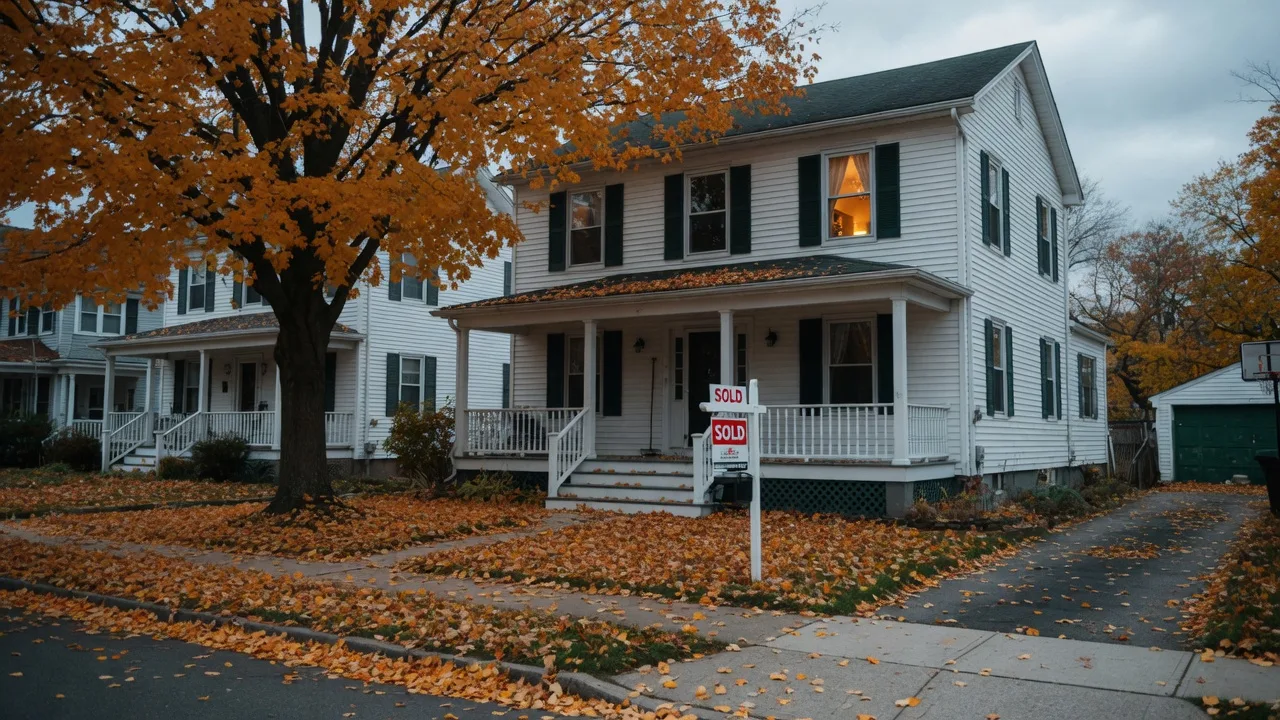
Probate Court Confirmation of Sale in NJ | Heirs & Executors Guide

You found a buyer. You negotiated the price. You signed the contract. The deal is done, right? Not yet. In a probate sale in New Jersey, there is one more step that catches most first-time executors by surprise. The court has to approve it. Every real estate sale that is part of a probate estate in New Jersey must be confirmed by the Surrogate's Court or the Superior Court before the deed can transfer and the money can be distributed. That confirmation hearing is not a rubber stamp. If you do not prepare for it properly, it can delay your closing by weeks or months. I have been guiding families through probate sales in Clifton, Paterson, Passaic, Woodland Park, Totowa, Haledon, and Garfield for 15 years. I have sat through dozens of confirmation hearings in Passaic County and Bergen County Surrogate's Courts. Here is exactly how the process works, what can go wrong, and how to get your sale approved without unnecessary delays.
Why the Court Needs to Approve Your Probate Sale
Let me start with the legal reason. Under New Jersey law, when a person dies and their estate includes real property, the executor or administrator acts as a fiduciary for the beneficiaries. The executor does not own the property. They are legally responsible for managing it in the best interest of the people who will inherit the proceeds. And because the executor has that fiduciary duty, the court requires them to come back for approval before the property can be sold. The court's job is to verify that the sale price is fair, that the process was proper, and that the beneficiaries' interests were protected. This is not the court being difficult. It is the court making sure nobody takes advantage of grieving families or cuts a deal that shortchanges the estate.
The confirmation process applies to any sale of real estate by a court-appointed executor or administrator in New Jersey. It applies whether you are selling a single-family home in Clifton, a multi-family in Paterson, a condo in Totowa, or vacant land in Woodland Park. The only exception is if the will specifically gives the executor the power to sell real estate without court approval, which is called a power of sale clause. Even then, some Surrogate's Courts still require a confirmation hearing depending on the county and the specific circumstances. Always assume court approval is required until your estate attorney tells you otherwise.
Step One: Get the Property Appraised Before You List
Before you can even ask the court to confirm a sale, you need to know what the property is worth. New Jersey law requires the executor to obtain a professional appraisal of the property before it can be sold through probate. The appraisal establishes the fair market value that the court will use as a baseline when reviewing the sale price. If you accept an offer that is significantly below the appraised value, the court is likely to reject the sale or open it up for overbidding. If the offer is at or above the appraised value, the confirmation is usually straightforward.
The appraisal should be done by a licensed New Jersey appraiser who is familiar with the local market. In Passaic County, that means someone who knows the difference between a Cape Cod in Clifton's Lakeview section and a colonial in Paterson's Eastside Park neighborhood. The cost of a residential appraisal in North Jersey typically runs $500 to $750. It is paid by the estate and is money well spent, because a solid appraisal is the foundation of a smooth confirmation hearing. I always recommend getting the appraisal done before the property is listed, not after. That way you can price the property at or above the appraised value from day one, and any offer you accept will already be in the range the court needs to see.
Step Two: Market the Property and Get an Offer
Once you have the appraisal, you list the property and market it just like any other home sale. The difference is that in a probate sale, you need to show the court that you made a good faith effort to get the best possible price for the estate. That means listing the property on the MLS with professional photography, holding open houses, running digital marketing, and giving the market enough time to respond. I have seen executors try to speed up the process by accepting the first offer that comes in without proper marketing, and then the court asks why the property was not marketed more broadly. A weak marketing effort creates doubt about whether the sale price is truly fair, and that doubt can delay or derail the confirmation hearing.
In practice, a properly marketed probate property in Passaic County will receive multiple offers in the first two to three weeks, especially in a market like September 2026 where homes are selling in a median of about 29 days and buyers are paying around 106% of asking price. Accept the strongest offer that is at or above the appraised value, with the strongest financing and the fewest contingencies. The court will look at the offer price relative to the appraisal, so the higher the offer, the easier the confirmation. And save all the documentation: the MLS listing, the showing reports, the offers you received, the competing bids. That paperwork proves to the court that you did your job as executor and got the best deal for the estate.
Step Three: File the Confirmation Petition With the Surrogate's Court
After you accept an offer and the buyer has signed the contract, the estate attorney files a petition with the Surrogate's Court requesting confirmation of the sale. The petition includes the contract of sale, the appraisal, a detailed accounting of any offers received, a summary of the marketing efforts, and an affidavit from the executor confirming that the sale is in the best interest of the estate. In Passaic County, the petition is filed at the Passaic County Surrogate's Court at 77 Hamilton Street in Paterson. In Bergen County, it is filed at the Bergen County Surrogate's Court at 10 Main Street in Hackensack.
Once the petition is filed, the court schedules a confirmation hearing. In Passaic County, the wait time for a hearing date typically ranges from two to six weeks depending on the court's calendar. In Bergen County, the timeline is similar, though larger caseloads can push it closer to the six-week mark. The executor and the estate attorney must both appear at the hearing. The buyer does not need to attend, though their lender will need to be prepared for a closing date that accommodates the hearing schedule. This is one of the most important things to communicate to the buyer up front. If the buyer thinks they are closing in 30 days and the court confirmation takes six weeks, everyone gets frustrated. Be transparent about the timeline from the start.
Step Four: The Confirmation Hearing and the Overbid Risk
Here is where most probate sellers get nervous, and for good reason. At the confirmation hearing, the judge reviews the petition and asks whether anyone in the courtroom wants to overbid the accepted offer. An overbid is exactly what it sounds like: someone else offers more money for the property, right there in the courtroom. If an overbid comes in at least 5% higher than the accepted offer price of the first $1,000 and at least 10% of the excess, the judge may accept it and the property goes to the overbidder instead of your original buyer. The original buyer gets their earnest money deposit back. The estate gets a higher sale price. And you, the executor, just lost your buyer.
The overbid is not common, but it happens. I have seen it happen more often in situations where the property was priced well below market value, either because the executor was in a hurry or because the appraisal came in low. The best way to protect against an overbid is to price the property at fair market value from day one. If the accepted offer is at or above the appraised value and the property was marketed properly, the odds of someone showing up at the hearing with a higher bid are low. But it is still a real risk, and every executor and buyer should understand it before the contract is signed. I always tell buyers in probate sales that their deal is not final until the judge says it is final. That honesty prevents surprises.
Step Five: Court Issues the Order Confirming Sale
If no overbid is made and the judge is satisfied that the sale is fair and proper, the court issues an Order Confirming Sale. This is the legal document that authorizes the executor to transfer the deed to the buyer. Once the order is signed, the closing can proceed on the schedule specified in the contract, subject only to the normal title and financing conditions. The order typically takes a few days to be entered by the court clerk after the hearing. The executor or estate attorney should order certified copies of the order for the title company, since the title company will need it to issue the title insurance policy and authorize the deed transfer.
From the date of the confirmation hearing, a typical probate closing happens within 10 to 30 days, depending on how quickly the buyer's lender can process the final approval and how long the title company needs to prepare the deed. That timeline is shorter than the initial waiting period for the hearing, so the bulk of the time in a probate sale is the wait for the court date, not the wait for the closing after the order is issued. The total timeline from accepted offer to recorded deed in a probate sale in North Jersey is usually 60 to 90 days. Compare that to a standard non-probate sale that closes in 30 to 45 days, and you can see why planning ahead matters.
What Happens if the Court Rejects the Sale
It does not happen often, but a court can reject a proposed sale if the judge believes the price is too low, the marketing was insufficient, the process was flawed, or the executor did not act in the best interest of the beneficiaries. If the sale is rejected, the executor has two options. Go back to the market, relist the property, and try again with a better price or better marketing. Or file an amended petition with additional documentation addressing the court's concerns. In either case, the delay adds weeks or months to the process, and the original buyer typically walks away. The best way to avoid a rejection is to do the work up front. Get the appraisal. Market the property properly. Document everything. Involve the estate attorney from the beginning. And price the property at fair market value, not at a price that just makes the executor's life easy.
Coordination With the Buyer: Setting Expectations Up Front
A probate sale in New Jersey requires more coordination than a standard sale because the court timeline does not bend to fit the buyer's schedule. Here is what I tell every buyer who makes an offer on a probate property in Clifton or Paterson. The court confirmation hearing is likely four to six weeks after contract signing. The closing is likely two to four weeks after the hearing. Your rate lock needs to cover at least 90 days. Your moving timeline needs to account for the uncertainty. And yes, there is a small chance someone will overbid you at the hearing and you will lose the property. Those are the realities of buying a probate property, and an honest buyer's agent will help their client understand them before the offer is written. I have seen probate deals fall apart because the buyer was told it would close in 30 days and it took 75. The buyer got frustrated, the rate lock expired, and the financing fell through. All of that is avoidable with honest upfront communication about the probate timeline.
Working With Your Estate Attorney: Who Does What
The estate attorney handles the legal side of the confirmation process: drafting the petition, filing it with the Surrogate's Court, scheduling the hearing, and representing the executor at the confirmation. The probate-specialist realtor handles the real estate side: getting the appraisal, marketing the property, negotiating the offer, and documenting the marketing efforts for the court. The executor coordinates between both and makes the final decisions. I have seen this partnership work smoothly in Passaic County estates where the attorney and the realtor have worked together before. I have also seen it break down when the attorney does not specialize in probate real estate and does not know the Surrogate's Court timelines, or when the realtor does not understand the court confirmation process and promises the executor a closing timeline that is impossible. The fix is to hire professionals who do probate work regularly and know each other's process. The executor's life is hard enough without having to teach the attorney and the realtor how the other one's job works.
How This Works in Passaic County and Bergen County
The Surrogate's Court process is similar across New Jersey, but there are local differences. In Passaic County, the Surrogate's Court at 77 Hamilton Street in Paterson handles probate matters Monday through Friday. The court typically schedules confirmation hearings on specific days of the week, and the wait time for a hearing date depends on the current caseload. In Bergen County, the Surrogate's Court at 10 Main Street in Hackensack handles a larger volume of cases, which can mean slightly longer wait times for hearing dates. In both counties, the process works best when the estate attorney files the petition promptly after the offer is accepted, rather than waiting until the buyer's inspection and financing contingencies are cleared. Filing early gets you on the court calendar sooner, and if the buyer walks during the contingency period, you can withdraw the petition and refile with a new buyer. There is no penalty for filing and withdrawing. The penalty is waiting to file and losing two weeks of court calendar time.
The Bottom Line
The probate court confirmation process is not a reason to avoid selling an inherited property in New Jersey. It is a step in the process that every executor needs to plan for. Get the appraisal early. Market the property properly. Document every offer. File the petition as soon as you have an accepted contract. Set the buyer's expectations about the timeline from day one. And work with an estate attorney and a probate-specialist realtor who have done this before. The estates that get through confirmation smoothly are the ones where the team knows what is coming and prepares for it ahead of time. The estates that get stuck are the ones where nobody realized the court needed to approve the sale until the closing date was already on the calendar.
If you are an executor or a beneficiary facing a probate sale in Passaic County or Bergen County and you want to understand exactly how the confirmation process works for your specific situation, call me. I have been through this process in Clifton, Paterson, Passaic, Totowa, Woodland Park, Haledon, and Garfield dozens of times. I know the Surrogate's Court staff. I know the timelines. And I will walk you through every step so nothing catches you by surprise.
Facing a Probate Sale in North Jersey?
I am Johnny Rodriguez, a Certified Probate Specialist and North Jersey's first AI-Certified Realtor. I have guided dozens of families through the Surrogate's Court confirmation process in Passaic and Bergen County. Free consultation, no pressure, completely honest about the timeline and what to expect.
North Jersey's AI-Certified Realtor with 15+ years of experience. Specializing in probate sales, short sales, and distressed properties in Passaic and Bergen County.