
Paterson and Passaic Are Adding Apartments: The 91-Unit North 7th Street Proposal, the Dropped YWCA Plan, and What the Pipeline Means for Home Values

Paterson and Passaic moved in opposite directions this fall, and together those moves tell you where this market is heading. Passaic's Planning Board approved a 106-unit apartment building next to its oldest public housing complex. Paterson's zoning board is weighing a 91-unit proposal on a block that is zoned for houses only. And in late October, the developer behind a 124-unit plan at the old YWCA site in Paterson walked away. A yes, a maybe, and a no inside six weeks. I am Johnny Rodriguez, North Jersey's first AI-Certified Realtor with Realty One Group Legend, and I have spent fifteen years watching development decisions land on property values in Passaic County. Here is what the apartment pipeline means for homeowners, renters, and investors.
The 91-Unit Proposal on North 7th Street
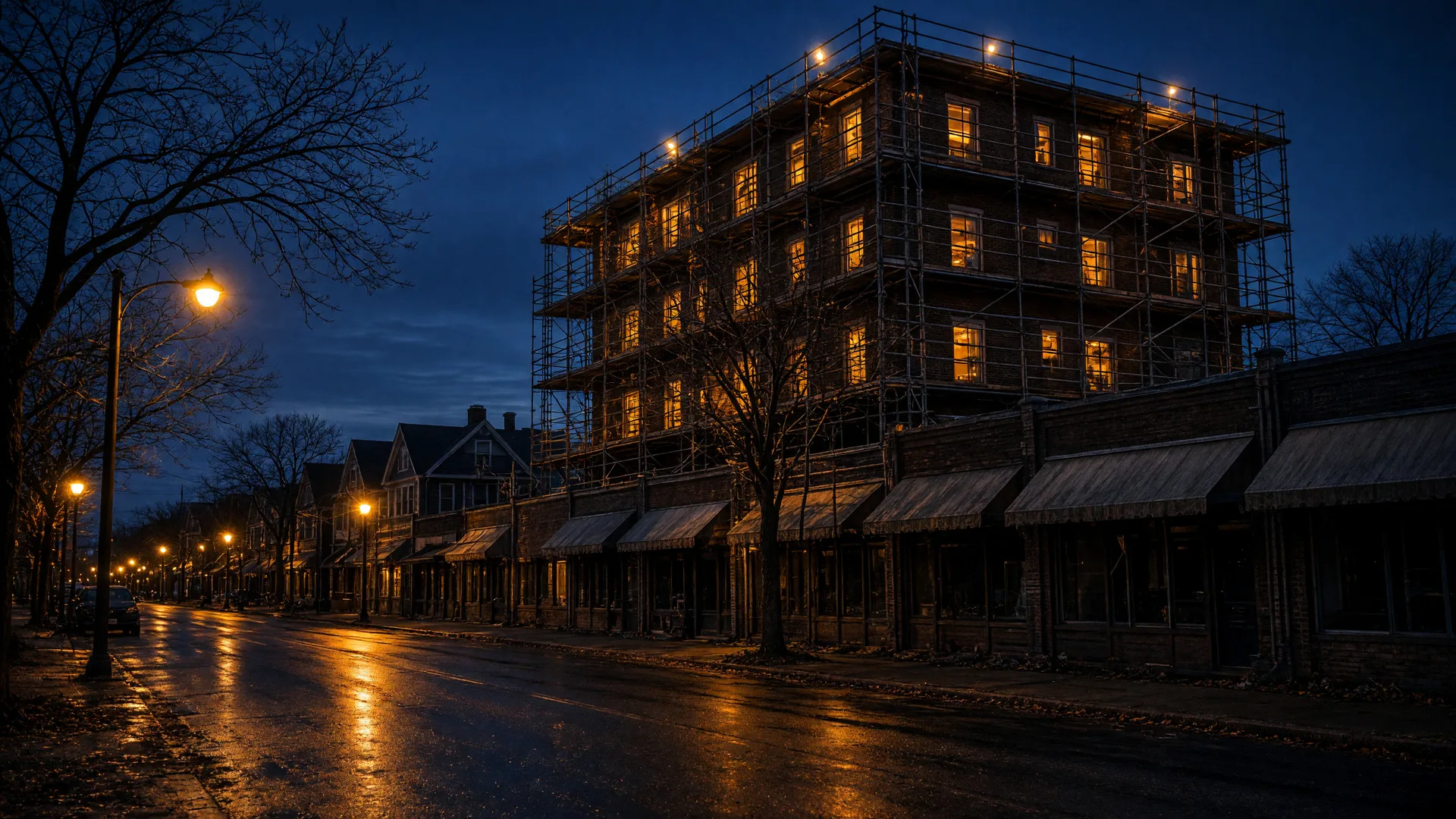
The biggest new number in Paterson is 91. A developer called Bent Avenue Real Estate Holdings has filed plans for a four-story, 91-unit apartment building at 18-32 North 7th Street in the First Ward. The unit mix tells you who the market is chasing: 7 studios, 43 one-bedrooms, 34 two-bedrooms, and 7 three-bedrooms, with 47 parking spaces on the ground floor and a 13,000-square-foot rooftop amenity space. The plan would tear down the existing buildings on the site and put up the kind of building that neighborhood has not seen in decades.
Why a Variance Makes This a Real Debate
Here is the wrinkle: the block does not currently allow it. The property sits in the First Ward redevelopment district, where the zone only permits one- and two-family homes. A 91-unit building needs approval from the Paterson Zoning Board of Adjustment for use, density, and floor-area-ratio variances, plus site plan sign-off. That hearing is a real debate, and it is the same debate playing out on residential blocks all over North Jersey. Neighbors worry about rental traffic, parking, and change. The city worries about housing supply, the tax base, and a downtown that keeps people instead of losing them to Jersey City. Both sides are arguing about the same thing: what this neighborhood should be in ten years.
Passaic Said Yes: The 106-Unit Aspen Place Building
Passaic went the other way in October. The city's Planning Board approved a six-story, 106-unit apartment building on Aspen Place at its October 14 meeting. It would rise on the site of the Passaic Housing Authority's administrative offices at 52 Aspen Place, immediately next to Alfred Speer Village, the city's oldest and largest public housing complex. The approval is separate from the big Speer Village rehabilitation that is already moving, but it lands in the same neighborhood and points the same direction: this part of Passaic is being rebuilt with new mixed-income housing. New units next to an aging complex do not erase the complex's challenges, but they do change the story of the block, and buyers and investors read that story into prices.
The Project That Got Pulled: The Old YWCA Site
The third headline is the one that keeps the market honest. In late October, the developer behind the proposed 124-unit apartment project at the old YWCA site in Paterson dropped the plan. No project gets built on momentum. Financing, construction costs, approvals, and the rent the market will actually support all have to line up, and when they do not, a proposal quietly dies. That is not a bad sign for the city. It is the sign of a market that is being selective. Projects with the right location and the right numbers move forward, like the Armory Apartments on Market Street, which opened this year with 138 units, and marginal ones get pulled. I walked through the Armory and the rest of the downtown building boom when it opened.
What New Supply Does to Rents and Values
The question homeowners actually ask is whether more supply hurts their value. The honest answer depends on the supply. Paterson's rental vacancy sits around 2.4 percent and rents have climbed about 3 percent in the last year, so there is room for new units before the market flips. The new buildings are aimed at the top of the rent band: commuters and professionals who now drive to the city or rent in pricier towns. That is exactly the demographic that supports downtown retail, street life, and the tax base, and it rarely competes head-to-head with the two-family landlord renting at the middle of the market. For landlords, the takeaway is that a tired building at an inflated rent is a shrinking asset, and the work is in the rent roll and the condition. For homeowners near the new construction, more neighbors, more foot traffic, and more services are what a rising tax base looks like.
The Lighting Project That Affects Every Storefront
Paterson also moved on a quieter piece of infrastructure that matters as much as any apartment building. The City Council approved a request for up to $1,235,197 in Urban Enterprise Zone funding to upgrade lighting and security along the city's commercial corridors: LED lights and pole-mounted security cameras inside the UEZ boundaries, with the goal of making the downtown business district safer. Safety perception is priced into every walk-to-downtown home, every rental near Main Street, and every storefront lease. A street that feels safe at night is a street where people spend money and apartments lease. It never makes the glossy renderings, but it shows up in the comps.
What I'm Watching This Winter
Three things are on my calendar this winter. The First Ward hearing on the North 7th Street project, because the variance outcome sets the precedent for every future apartment proposal on a house-zoned block in Paterson. Whether Aspen Place actually breaks ground in Passaic, because an approval and a shovel in the ground are different things. And how the new supply connects to the transit work that is finally moving: the transit-oriented development plan around Paterson Station, the MOVE microtransit expansion into Paterson, and the new Portal North Bridge that now carries both tracks over the Hackensack River. Apartments near a dependable commute are the strongest play in this county, and the towns that pair new housing with transit are the ones whose values get talked about at Thanksgiving tables for years.
If you are buying, selling, or holding property in Paterson, Passaic, Clifton, Woodland Park, Totowa, Haledon, or Garfield, the supply picture is part of the value picture, and I will show you how it lands on your block with real comps and straight numbers. And if you know a neighbor in the First Ward or near Speer Village who should be following these projects, send them this post. The more people in North Jersey pay attention to what is being built in their own towns, the better decisions everyone makes. The goal is not just to close, it is to help you win. Talk soon, Johnny.
Watching the Pipeline in Paterson or Passaic?
Whether you are buying near the new apartments, selling a home along a redevelopment corridor, or investing in buildings the new supply competes with, I will pull the real numbers for your street: comps, rents, and the honest read on where the town is heading. Free consultation, straight answers, no pressure.
Questions? Text Johnny.
Questions? Text or call Johnny Rodriguez at 973-390-7319. He answers fast and gives it to you straight, whether you are buying, selling, or sorting out an inherited property in North Jersey.
Keep reading
More guides from Johnny on buying, selling, and investing across North Jersey.
North Jersey's AI-Certified Realtor with 15+ years of experience. Specializing in probate sales, short sales, and distressed properties in Passaic and Bergen County.