
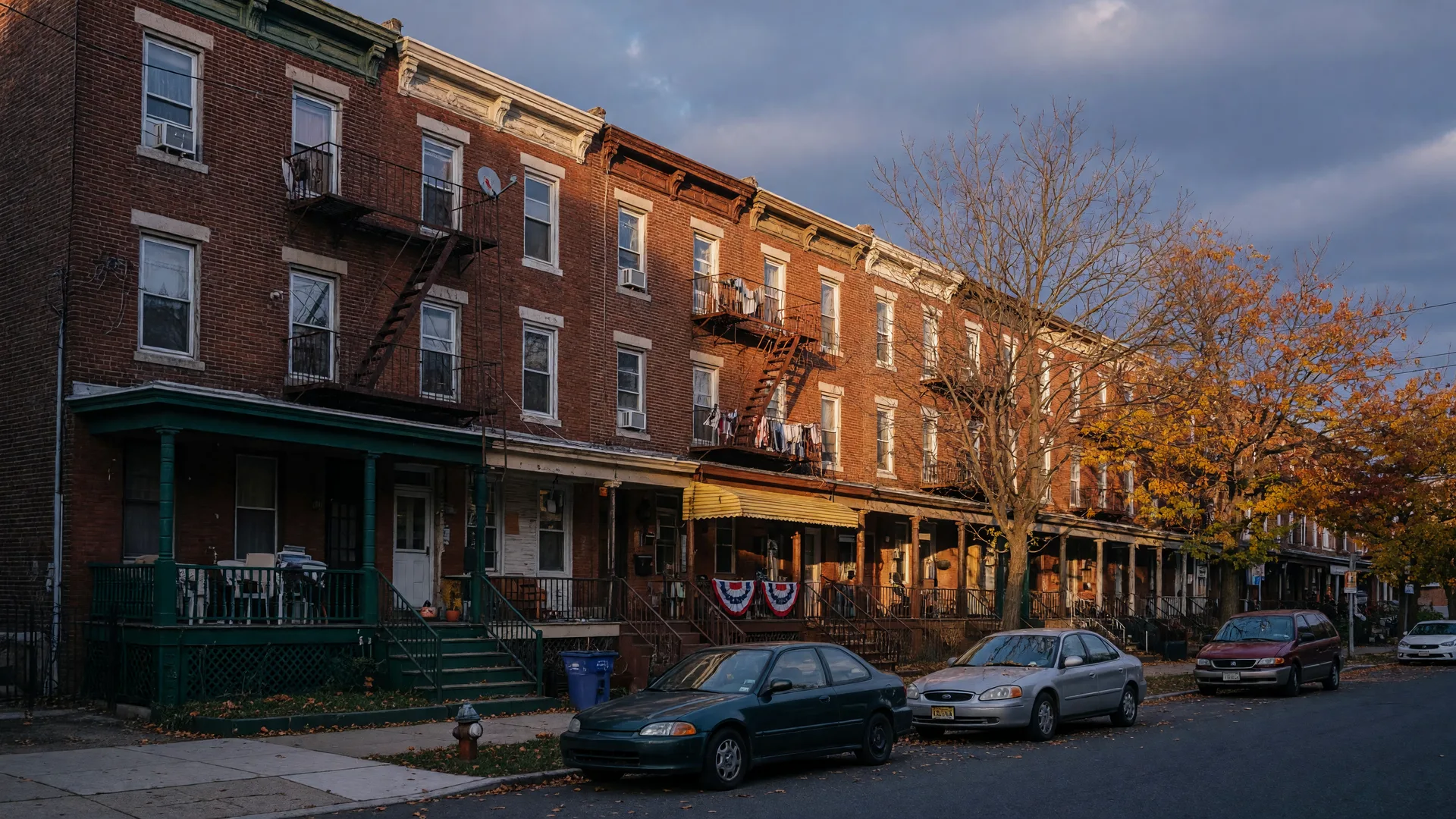
Before You Offer: The 12-Point Multi-Family Checklist for North Jersey Investors

Most investors lose money on North Jersey multi-family deals not because they paid too much, but because they never verified what they were buying. The asking price is a number; the rent roll, the tax bill, the rent control ordinance, and the certificate of occupancy are facts, and the gap between them is where deals are won or lost. I have analyzed multi-family buildings across Clifton, Paterson, Passaic, Woodland Park, Totowa, Haledon, and Garfield for over fifteen years, and this is the checklist I run before every bid.
The Income Has to Be Real
1. Verify the Rent Roll Against Market Rent
Start with the rent roll on the flyer and treat it as a claim, not a fact. Sellers pad income, and padded income turns a real loser into a fake winner. Compare every unit to current market rent in the actual town: Clifton units run roughly $2,000 to $2,400 a month, Paterson averages near $1,700 with two-bedrooms around $2,000, Passaic sits near $1,787, and Garfield runs $2,000 to $2,700. Then measure the gap between current rent and market rent; that gap is your upside, and it is the number the seller hopes you never verify.
2. Rebuild the Net Operating Income and the Cap Rate
The cap rate is net operating income divided by price, and it only means something if the income is real. Rebuild the NOI from the actual rent roll and expense history: budget 40% to 45% of gross rent for taxes, insurance, vacancy, and repairs, add a reserve of about 1% of value a year, and underwrite 5% to 8% vacancy. Listed multi-family caps in Passaic County run about 5.5% to 8%, averaging around 6%. If a deal shows a cap rate far above the street, ask why. Sometimes you found a gem; more often the income is overstated or the repairs are deferred.
3. Project Cash Flow at Today's Rates
Cash flow is what pays the mortgage, and it has to be modeled at today's money. With a 30-year fixed near 7%, most listed multi-families at full asking with 20% down do not cash flow on day one. That is not a reason to quit; it is a reason to buy below market, as an owner-occupant, or with a value-add plan. Model the deal at list, at your offer, and after your rent lift, and count it as profitable only at the price you actually pay.
The Local Rules Change the Math
4. Read the Rent Control Ordinance
Rent control decides whether your rent growth math is real. Paterson caps annual increases at 5%, Passaic at 3% with no vacancy reset, and Clifton around 3% on buildings with seven or more units, while Garfield runs no rent control board. If you plan to jump rents to market on turnover, model the cap first. I have watched investors plan a 20% mark-to-market on a Passaic building and discover the ordinance left the rent roll flat for years.
5. Underwrite Section 8 at the Payment Standard
Voucher income is a feature in this market, not a fallback. HUD's FY 2026 fair market rents for the Bergen-Passaic metro are $2,024 for a one-bedroom, $2,324 for a two-bedroom, $2,835 for a three-bedroom, and $3,618 for a four-bedroom, and Passaic County housing authorities set payment standards between 90% and 120% of the applicable FMR. In practice, a two-bedroom voucher pays roughly $2,100 to $2,800 a month depending on the ZIP. The unit must pass the housing authority inspection, so schedule that check during due diligence, not after closing; a voucher tenant who passes is as reliable a rent check as a landlord can get.
6. Pull the Actual Tax Bill
Property taxes are the biggest expense line in North Jersey, and the flyer's estimate is often wrong. Effective rates in Paterson and Passaic typically land in the 2% to 4% range, so a $500,000 building can carry a five-figure annual tax bill. Pull the current bill from the town, confirm the assessment matches the building, and ask whether a sale triggers a reassessment.
The Physical and Legal Condition
7. Pay for a Real Multi-Family Inspection
A multi-family inspection in New Jersey runs roughly $600 to $800 or more for two to four units, with radon, termite, and sewer scope add-ons billed separately. Older Passaic County stock hides roof, boiler, electrical, and plumbing problems, so get contractor quotes on anything the inspector flags before you offer. The repair estimate is a negotiation tool, and it belongs in your offer math.
8. Check the Lead Paint Requirement
If the building predates 1978, New Jersey law (P.L. 2021, c.182) requires rental units to be inspected for lead-based paint hazards by a certified lead evaluation contractor every three years or at tenant turnover, whichever comes first, and a clean inspection earns a lead-safe certification valid for two years. Buildings from 1978 or later, certified lead-free properties, and certain long-registered buildings are exempt. Ask for the current lead-safe certificate during due diligence; if it is missing, the inspection and any remediation become your cost.
9. Confirm the Certificate of Occupancy and Permits
The certificate of occupancy has to match the building as it actually exists. An attic finished into a bedroom, a basement kitchen, or a converted garage that was never permitted is a liability that can stall the sale, trigger fines, and get red-tagged after closing. Pull the CO, check the permit history, and confirm the unit count on paper matches what you are paying for.
The Operating and Exit Plan
10. Price Property Management Honestly
Whether you self-manage or hire out, management is a line item, not an afterthought. A local manager charging 8% to 10% of collected rent is what keeps an out-of-state owner's model alive. New Jersey rules are specific: deposits cap at 1.5 times one month's rent, photograph the unit with a dated walkthrough at move-in, and move on arrears the same week, because evictions take time and every vacant month is rent you never recover.
11. Verify Insurance and the Tenant Screening
Landlord policies cost more than homeowner policies, and vacancy coverage is separate. Get an insurance quote on the actual building before you offer, and underwrite the deductible. Then screen tenants like the bank screens you: income verification, landlord references, and a credit check. A bad tenant costs months of rent and thousands in eviction and repair costs, so screening is the operating plan, not a formality.
12. Model the Exit Before You Buy
Every deal needs an exit, and in North Jersey the best exits are built before the purchase. If you are running the BRRRR play, the refinance has to work at 70% to 75% loan to value, which only happens if you bought below market first, and an investment refinance typically means 25% down at a higher rate, so model that loan before you spend a dollar on rehab. And remember where below-market entries come from: estates, probate properties, and landlords ready to exit. As a Certified Probate Specialist, I see those buildings before they are marketed, and that early look is where compounding starts.
Run these twelve checks on every deal and you will stop buying stories and start buying buildings. The investors who build real wealth in North Jersey are not the ones who got lucky on price; they are the ones who verified the income, respected the local rules, priced the repairs, and modeled the exit before they signed. That is the whole game, and it is a game of honest numbers.
Ready to Run the Numbers on a North Jersey Multi-Family?
I will pull the comps and market rent, verify the rent roll, run the cap rate and cash flow, and tell you straight whether the deal works at today's rates, on-market or off. Bring me the address or the offering memorandum and we will walk this checklist together. The goal is not just to close, it is to help you win.
North Jersey's AI-Certified Realtor with 15+ years of experience. Specializing in probate sales, short sales, and distressed properties in Passaic and Bergen County.