
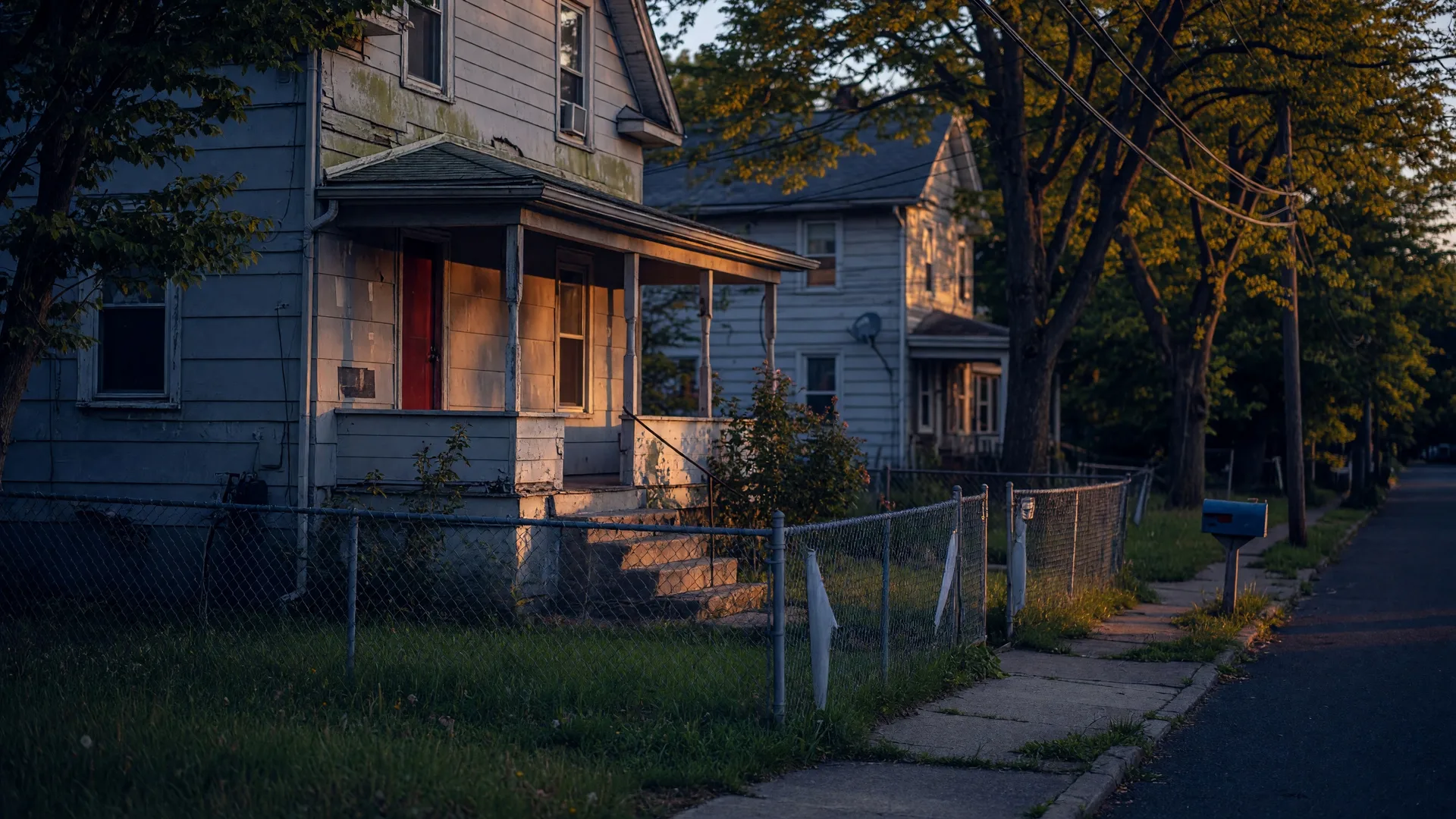
Inherited a House With a Mortgage? What Executors Need to Know in NJ

One of the most common things I hear from families dealing with an inherited property is: we had no idea there was still a mortgage on the house. It catches people off guard every single time. They assume that when a parent or loved one passes away, the house is just free and clear. But in many cases, especially in North Jersey where home values have climbed but owners have refinanced or taken out home equity lines, there is still a loan attached to the property. And that mortgage does not disappear when the owner dies. Here is what you need to know about inheriting a house with a mortgage in New Jersey, and what your options actually are.
The Mortgage Does Not Go Away
This is the first thing to understand and the thing most families get wrong. A mortgage is a debt secured by the property. When the borrower dies, the debt does not die with them. It becomes an obligation of the estate. That means the executor or administrator of the estate is responsible for making sure the mortgage payments continue to be made. If no one makes the payments, the lender will eventually begin foreclosure proceedings, even while probate is still open.
I have seen this happen in Paterson, Clifton, and Passaic more times than I want to count. A family inherits a home, nobody thinks about the mortgage for two or three months, and suddenly they get a letter from the lender warning of default. By that point, late fees have accumulated, credit reporting may have started, and the foreclosure clock is ticking. The estate is now dealing with a problem that was entirely preventable.
Who Is Responsible for the Payments?
If the estate has sufficient funds, the executor should continue making mortgage payments from the estate account. This is part of the executor's fiduciary duty to preserve the assets of the estate. If the estate has a checking account, savings, or other liquid assets, those funds should be used to keep the mortgage current while probate is in progress.
If the estate does not have enough cash to cover the mortgage, the executor has a few options. One heir can voluntarily make the payments to protect the property, but that heir should document everything and work with the estate attorney to ensure they are reimbursed from the estate proceeds when the property is sold. The executor can also apply to the Surrogate's Court for permission to borrow against estate assets or to sell other estate property to cover ongoing expenses, including the mortgage.
What you absolutely cannot do is ignore the mortgage and hope it goes away. It will not. And the foreclosure process in New Jersey is judicial, meaning it goes through the courts, but it still moves forward. In a state where foreclosure timelines can take twelve to eighteen months, you might think you have time. You do not. Every missed payment adds cost and complexity to an already complicated situation.
Can an Heir Assume the Mortgage?
This is the question I get most often from families where one sibling wants to keep the house. The short answer is: it depends on the loan type and the lender's policies. The federal Garn-St. Germain Act prohibits lenders from calling a loan due when a property transfers to a spouse, child, or other heir. That means the lender cannot force you to pay off the mortgage immediately just because the borrower died and the property is being transferred through probate.
However, assumption is not automatic. The heir who wants to keep the property will need to qualify with the lender. The lender will review the heir's credit, income, and ability to make payments. If the heir qualifies, they can assume the existing loan, often at the current interest rate, which in many cases is lower than what they could get on a new mortgage today. If the heir does not qualify, the lender may require the property to be sold to satisfy the debt.
There is also an important distinction between assuming the mortgage and being added to it. If the heir simply takes over payments without formally assuming the loan, they are not actually on the hook legally. The original borrower's estate is still the responsible party. This creates confusion and potential problems if the lender decides to pursue the estate for the balance.
What If the Property Is Underwater?
This is a situation that comes up more often than people realize, especially with properties in Passaic and Bergen County that were purchased or refinanced during peak market periods. If the outstanding mortgage balance is higher than what the property is worth, the estate is dealing with a short sale situation. That means the property would need to be sold for less than the amount owed on the loan, and the lender would need to agree to accept the reduced amount.
A short sale during probate is complicated but not impossible. The executor needs lender approval, the estate attorney needs to coordinate with the lender's loss mitigation department, and the timeline can be extended. In New Jersey, a short sale does not typically result in a deficiency judgment against the estate for the forgiven amount, but this depends on the loan terms and how the transaction is structured. I work with estate attorneys and lenders regularly on these situations, and the key is starting the conversation with the lender early rather than waiting for the property to go into foreclosure.
The Due-on-Sale Clause and Probate Transfers
Most modern mortgages include a due-on-sale clause, which means the lender can demand full repayment if the property is transferred. However, as I mentioned, the Garn-St. Germain Act protects transfers to heirs during probate. The lender cannot invoke the due-on-sale clause for transfers to a spouse, a child, or a beneficiary of a living trust. This protection applies as long as the transfer is happening through the normal probate or trust administration process.
Where this gets tricky is when the property is sold to a third party while the mortgage is still in the name of the deceased borrower. In that case, the mortgage is paid off at closing from the sale proceeds. This is the cleanest solution for most estates: sell the property, pay off the mortgage from the proceeds, and distribute the remainder to the heirs. The title company and closing attorney handle the payoff coordination, and the lender releases the lien at closing.
Home Equity Lines of Credit and Second Mortgages
If the property has a home equity line of credit or a second mortgage in addition to the primary mortgage, the situation becomes more complex. HELOCs often have different terms than first mortgages, including the ability for the lender to freeze or reduce the credit line. Some HELOCs also have balloon payment provisions that come due at death. The estate attorney needs to review every loan document associated with the property to understand exactly what the estate is dealing with.
I have worked on properties in Clifton and Totowa where the family had no idea their parent had taken out a $75,000 HELOC five years earlier. That lien had to be addressed before the property could be sold. The estate attorney negotiated a payoff amount with the lender, and the proceeds from the sale covered it, but it changed the numbers the family was expecting. This is why a full title search early in the probate process is so important. It reveals every lien, judgment, and encumbrance on the property so there are no surprises at closing.
Insurance and Maintenance During Probate
While we are on the topic of ongoing obligations, the mortgage is not the only expense the estate needs to cover. Homeowner's insurance must remain active. If the property is vacant, the standard policy may not cover damage that occurs after a certain number of days of vacancy. The executor should notify the insurance company that the property is now vacant and request a vacant home policy if needed. These cost more, but they protect the estate from catastrophic loss.
Property taxes continue to accrue, and in Passaic County, falling behind on property taxes can result in tax liens that take priority over the mortgage. Maintenance cannot be ignored either. A burst pipe in an unoccupied home, a roof leak that goes unrepaired, or a frozen HVAC system can cause tens of thousands of dollars in damage. All of that cost falls on the estate, and it reduces the amount available to the heirs.
Your Best Move: Act Fast, Get the Right Team
When an inherited property has a mortgage, the executor's priority should be to understand the full financial picture immediately. That means getting a mortgage statement from the lender, pulling a title search to identify all liens, and reviewing the estate's cash position to determine whether the payments can be sustained during the probate period. The faster you understand the numbers, the better decisions you can make about whether to sell, refinance, or have an heir assume the loan.
In most cases, the right move is to sell the property, pay off the mortgage at closing, and distribute the remaining equity to the heirs. This eliminates the ongoing carrying costs, removes the liability from the estate, and gives the family closure. But that decision should be made with full information, not guesswork.
The Bottom Line
Inheriting a house with a mortgage is more common than most people realize, and it creates real financial and legal obligations that the executor must address. The mortgage does not go away. The payments must continue. The lender's rights must be respected. And the estate's interests must be protected throughout the process. I have helped families across Paterson, Clifton, Passaic, Woodland Park, Totowa, Haledon, and Garfield navigate inherited properties with mortgages, second liens, and complex debt structures. The right team, the right information, and fast action make all the difference.
If you have inherited a property with a mortgage and you are not sure what to do next, reach out. I will connect you with the right estate attorney, review the property's financial picture with you, and help you figure out whether selling, assuming, or refinancing makes the most sense for your situation. No pressure. No guessing. Just a clear plan from someone who has handled this before.
Dealing With an Inherited Property and a Mortgage?
I am a Certified Probate Specialist who works with executors and heirs across Passaic and Bergen County. I will review your situation, connect you with the right professionals, and help you find the best path forward. Schedule a free consultation today.
North Jersey's AI-Certified Realtor with 15+ years of experience. Specializing in probate sales, short sales, and distressed properties in Passaic and Bergen County.