
Inherited a House With a Reverse Mortgage in New Jersey? What Heirs and Executors Need to Know
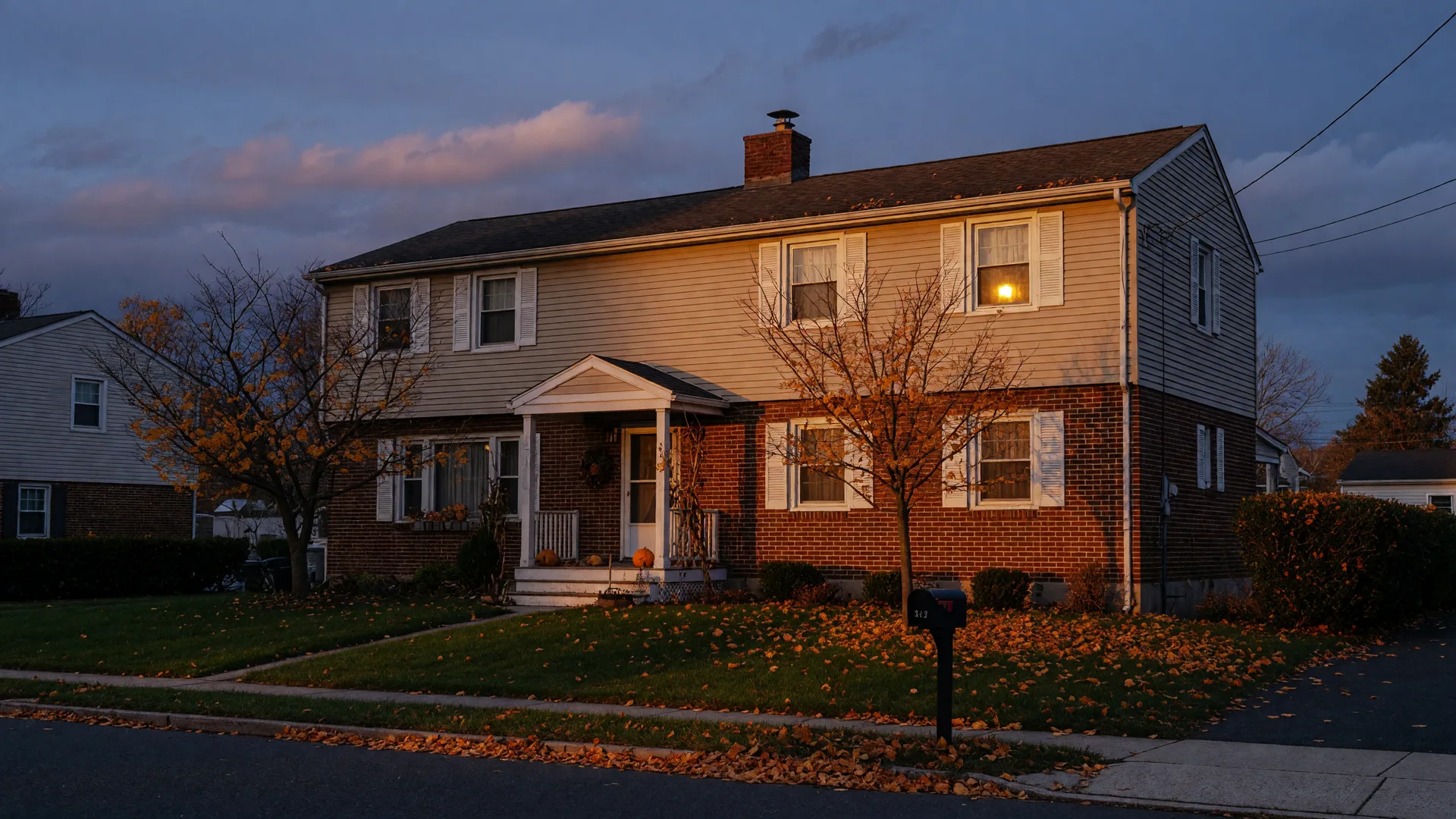
Inheriting a house in Passaic or Bergen County is stressful enough without discovering a reverse mortgage attached to it. The loan does not die with the borrower, and the servicer will not wait forever, but here is the part most families never hear: heirs are never personally on the hook for the balance, and the house can still be sold the normal way, through probate, with the loan paid off at closing. Here is exactly how a reverse mortgage works after death in New Jersey, what the clock looks like, and what to do first.
The Loan Does Not Die With the Borrower
A reverse mortgage, officially a Home Equity Conversion Mortgage, or HECM, when it is FHA-insured, lets a senior borrow against home equity with no monthly payment. The balance grows every month as interest accrues, and the loan becomes due and payable when the last borrower dies. That is the moment the clock starts, and it is also the moment too many families freeze. I have walked families through reverse mortgage estates in Clifton, Paterson, Passaic, Woodland Park, Totowa, Haledon, and Garfield, and the panic is almost always worse than the problem.
The Clock: 30 Days to Decide, 6 Months to Settle
Under current HUD rules, the servicer must send the estate a due-and-payable notice within about 30 days of the death, and heirs have 30 days from that notice to state their intent: pay off the loan, sell the house, or deed it to the lender. The servicer then has to wait at least 6 months from the date of death before it can start foreclosure, and heirs who are making real progress can get extensions in 6-month increments, generally up to 12 months total. That window is normally enough to run a probate sale from start to finish, which is why the first move is to respond to the notice, not to ignore it. Ignoring it is how a manageable situation turns into a foreclosure.
The 95% Rule: Keeping the House
If an heir wants to keep the house, the loan can be paid off with savings, a refinance, or a new mortgage. When the balance is bigger than the house is worth, HUD caps the payoff at 95% of the home's current appraised value, based on a HUD-ordered appraisal. In plain terms, an heir can keep the house by paying the lesser of the loan balance or 95% of what the house is actually worth, and the FHA insurance covers the rest. If a spouse is also on the loan, the loan is not due, and a non-borrowing spouse who meets HUD's requirements on loans originated on or after August 4, 2014 can stay in the house with the payments deferred.
Selling Is Usually the Cleanest Path
For most estates, selling is the right move, and the reverse mortgage does not block it. The executor lists the house, the sale closes, and the loan is paid off from the proceeds at the closing table, just like any other mortgage. If the house sells for at or above 95% of the appraised value, the lender must accept the net sale proceeds as full satisfaction, and any money left over after the payoff belongs to the estate and the heirs. In a market like Clifton, Paterson, or Passaic, where values have climbed, most inherited homes sell for more than the reverse mortgage balance, and the family keeps the difference.
The Non-Recourse Safety Net
Here is the rule that changes everything: a HECM is a non-recourse loan. Heirs and the estate are never personally liable for more than the house is worth. If the balance exceeds the sale price, the FHA insurance fund absorbs the shortfall, and no one in the family owes the difference. If the house is underwater and no one wants it, the heirs can deed the property to the lender and walk away. No payments, no deficiency, no judgment. That protection is federal, and it does not change in New Jersey.
How Probate Fits In
If the house is titled only in the deceased borrower's name, it passes through New Jersey probate before title can transfer. The executor or administrator obtains Letters Testamentary from the Surrogate's Court, in Passaic County at 71 Hamilton Street in Paterson or in Bergen County at Two Bergen County Plaza in Hackensack, and a clean filing typically turns into letters within one to three weeks after the statutory ten-day waiting period. The servicer will want a certified death certificate and those letters before it discusses the loan with anyone, so order extra death certificates on day one and start the probate filing the same week. In New Jersey, a house owned by a married couple as tenants by the entirety passes automatically to the surviving spouse, no probate needed. While the estate is open, the estate pays the carrying costs: property taxes, insurance, and utilities, because a lapse in insurance or a tax lien can stall the closing and shrink the inheritance. I have walked the full order of operations in my heir's roadmap and the bill-paying side in my guide on who pays the estate's bills.
The Challenges That Stall These Sales
Reverse mortgage estates stall on the same five things, and each one is preventable. First, nobody responds to the due-and-payable notice, and the servicer starts foreclosure paperwork that has to be unwound. Second, the family waits, and every month of waiting adds interest to the balance and eats equity. Third, the executor does not start probate, so there is no one with authority to talk to the servicer. Fourth, the house sits empty and uninsured, and one fire or burst pipe becomes a total loss. Fifth, the estate prices the house off renovated comps instead of as-is sales, the listing sits, and the clock runs out. The fix for all five is the same: respond to the servicer, start probate, insure the house, and price it to sell inside the window.
The Bottom Line
A reverse mortgage is a lien, not a trap. The loan gets paid at closing, the FHA insurance covers any shortfall, and heirs are never personally liable for the balance. The mistakes happen when families freeze: they do not respond to the notice, they do not start probate, and the interest keeps compounding while the house sits. Respond on day one, get the letters, insure the property, and price the house off real as-is sales. That is the whole plan, and it is a plan that works. The goal is not just to close, it is to help you win. Talk soon.
Found a Reverse Mortgage on an Inherited House?
I am a Certified Probate Specialist who has guided families through estate sales across Clifton, Paterson, Passaic, Woodland Park, Totowa, Haledon, and Garfield for over 15 years. Bring me the loan statement and the death certificate and I will show you the honest as-is value, the payoff math, and the order of operations. Free consultation, no pressure, straight answers.
North Jersey's AI-Certified Realtor with 15+ years of experience. Specializing in probate sales, short sales, and distressed properties in Passaic and Bergen County.