
Home Inspection Repair Requests | Seller Negotiation Guide | North NJ

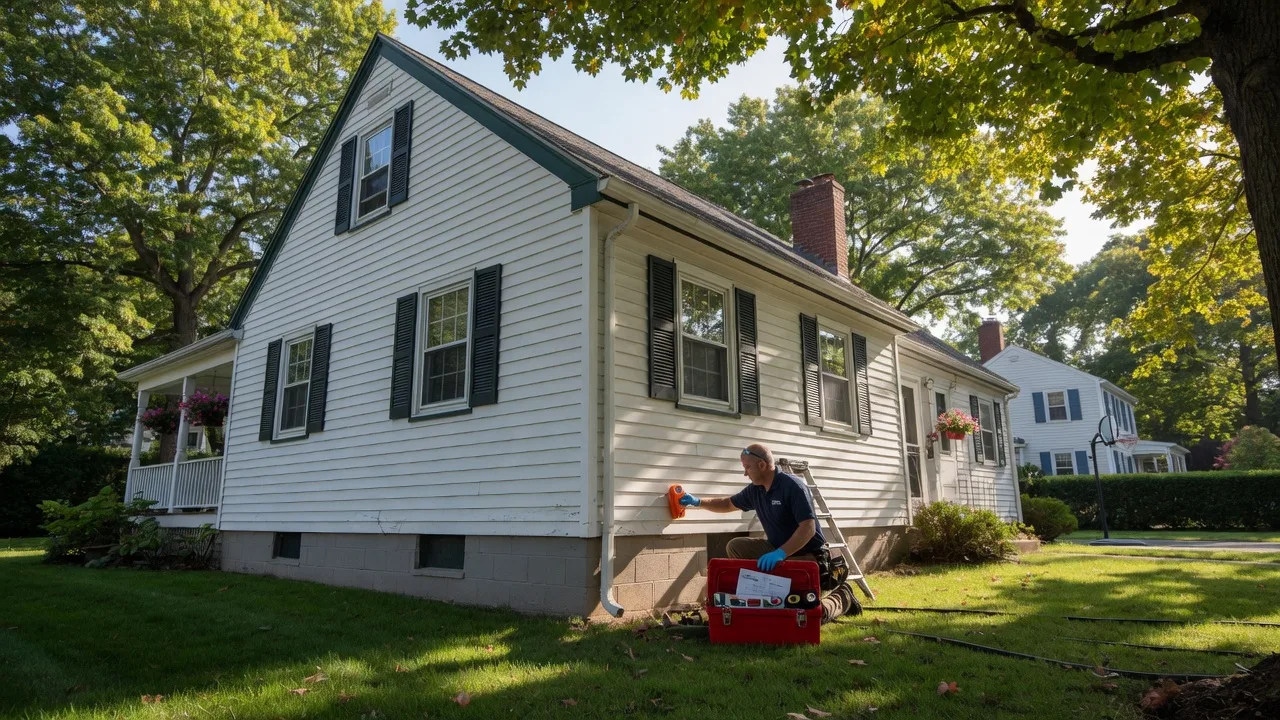
You accepted an offer. The home inspection is scheduled. And then it happens. The report comes back with a list of issues, and the buyer wants you to fix every single one of them. I have seen this play out hundreds of times in Passaic and Bergen County. And how you handle the inspection negotiation determines whether you close on time, lose the deal, or leave money on the table. Most sellers panic when they see a long inspection report. They assume the deal is falling apart. They agree to everything because they are afraid the buyer will walk. That is a mistake. The home inspection is not a repair order. It is a negotiation. And if you understand how it works, you can protect your equity, keep the deal together, and move to closing without giving away thousands of dollars in unnecessary fixes.
Understanding the Inspection Contingency: What Sellers Need to Know First
Before we talk about strategy, you need to understand what you are actually dealing with. The inspection contingency is a standard clause in most New Jersey real estate contracts, including the forms used by Garden State MLS and the New Jersey Realtors. It gives the buyer the right to have the property inspected by a licensed home inspector within a specified timeframe, typically 7 to 14 days after the contract is signed. If the inspection reveals issues that the buyer considers unacceptable, they have the right to request repairs, a credit at closing, a price reduction, or to walk away entirely and get their earnest money deposit back.
But here is what most sellers do not realize. The inspection contingency is negotiable. The buyer cannot simply hand you a list of repairs and demand you do them all. The standard New Jersey contract requires the buyer to submit a written request for repairs, and the seller has the right to respond, counter, or reject the request entirely. If you reject, the buyer can either accept that and proceed with the deal as-is, or they can terminate the contract. The key is knowing where the line is between a reasonable request and an unreasonable demand.
Step One: Read the Report Yourself
The first thing you do when the buyer sends over the inspection report and their repair request is read it yourself. Do not let your agent summarize it. Do not assume you know what is in it. Read the actual report. Home inspection reports are designed to protect the inspector, not to help you. They list every minor issue, every cosmetic imperfection, every code observation, and every theoretical problem. A normal home will have a 30 to 50 page report with 20 to 40 items listed. Most of those items are minor. Many are not actual defects. Some are code violations that existed when the home was built and are grandfathered in.
When you read the report, separate the items into three categories. Safety issues: things like exposed wiring, gas leaks, carbon monoxide risks, or structural problems. These are the items you should take seriously. Functional issues: things like a water heater near the end of its life, a roof with 5 years left, or a furnace that needs maintenance. These are negotiable. Cosmetic issues: things like cracked window seals, worn carpet, or minor siding gaps. These are not your problem. The buyer saw the condition of the home when they made the offer. They cannot come back after the inspection and ask you to replace the carpet they already saw was worn.
Step Two: Do Not Say Yes to Everything
This is the most common mistake I see sellers in Clifton, Paterson, and Passaic make. The buyer sends a list of 30 items. The seller panics and agrees to fix all of them. That is not negotiation. That is surrender. Every repair you agree to costs you money, time, and leverage. And most of the time, the buyer does not expect you to fix everything. The inspection request is often written as a wish list. The buyer's agent knows that the seller will push back on some items. That is part of the process.
When I represent sellers, I advise them to respond with a targeted counteroffer. Agree to the legitimate safety issues. Offer a reasonable compromise on the functional items. Reject the cosmetic items and the "this is old and might need replacement someday" items. If the buyer asks for a new roof because the report says it has 3 to 5 years of life left, you offer a roof credit of half the estimated replacement cost or you decline and explain that the roof is functional with no active leaks. If the buyer asks for a full electrical rewiring because the panel is not up to current code but is functioning properly, you decline. The house passed inspection when it was built. Grandfathered systems are not defects.
Step Three: Understand What Constitutes a Real Defect in North Jersey
New Jersey real estate law and local market standards define what is a legitimate defect versus what is a normal condition for a home of a certain age. This is critical in Passaic and Bergen County, where many homes were built in the 1940s through 1970s. A home built in 1950 is not defective because it has 60-amp service instead of 200-amp. That is normal for the age of the home. A home in Totowa with original cast iron pipes that are still functional is not defective because they are old. They are original to the property and the buyer saw the age of the home when they made the offer.
What is a real defect? A leaking roof that is actively causing water damage. A furnace that does not produce heat. A foundation crack that is actively shifting. An electrical panel that is a known fire hazard like a Federal Pacific Stab-Lok panel. A sewer line that is backed up. These are items that affect the safety, habitability, or structural integrity of the home. Everything else is a condition of the property that the buyer accepted when they made their offer.
Step Four: Offer a Credit Instead of Making Repairs
One of the smartest moves a seller can make is offering a credit at closing instead of doing the actual repairs. Why? Because when a seller hires a contractor to fix something before closing, they pay retail price, they may have to pay for permits, and the repair is done under pressure with a tight deadline. If the repair is not done to the buyer's satisfaction, they come back and ask for more. And if the repair causes other issues, you are liable.
A credit at closing is cleaner. The buyer gets cash at the closing table, they can hire their own contractor after closing, and they get to choose the materials and finishes they want. You avoid the headache of coordinating repairs, and you know exactly what the cost is upfront. For example, if the buyer asks for a new water heater that costs $1,500 installed, offer a $1,200 credit. They get to pick the unit they want, you save $300 and skip the hassle. This works well for items like water heaters, furnaces, roofing with remaining life, electrical panel upgrades, and similar functional items. It does not work well for active leaks or safety hazards, where the buyer wants to see that the problem is actually fixed before closing.
Step Five: Know When to Hold the Line
Not every repair request deserves a response. Some buyers push hard because they have leverage, or because they think the seller is desperate. But here is the reality in this market. Passaic County homes are selling for about 106% of list price in a median of about 29 days for single-family homes. Inventory sits around 3 months of supply. That means for every buyer who walks away from your inspection negotiation, there are more waiting. Not every deal is irreplaceable.
If the buyer's request is unreasonable, say no. If they ask for a new kitchen because the counters are dated, say no. If they ask for new windows because some have condensation between the panes, say no. If they ask you to paint the entire interior because the walls have normal wear, say no. These are not defects. These are cosmetic preferences, and the buyer's offer price should have accounted for them. I have seen sellers in Woodland Park and Haledon lose thousands in equity by agreeing to unnecessary repairs because they were afraid of losing the deal. And then the buyer closed anyway, happy they got a newly renovated home at the seller's expense. Do not be that seller.
Step Six: Use the Inspection to Your Advantage
A home inspection is not always bad for the seller. Sometimes it helps you. If the inspection report comes back clean or with only minor issues, you now have a powerful marketing tool. You can share the report with future buyers if this deal falls through. You can point to the clean inspection as proof that the home has been well maintained. And if the buyer tries to negotiate based on items that the inspector explicitly noted as minor or cosmetic, you have documentation to push back.
I also recommend doing a pre-listing inspection before you even put the home on the market. This is an investment of $400 to $600 that can save you thousands in negotiation leverage. When you already know what the home needs, you can address the issues on your timeline, at your cost, with your contractor. And when the buyer's inspection comes back, you have already fixed the big items. The buyer has nothing to negotiate on. I have seen pre-listing inspections eliminate $10,000 to $15,000 in repair requests from buyers. It is one of the highest-ROI moves a seller can make.
Common North Jersey Inspection Issues and How to Handle Them
Radon
Radon is common in North Jersey, especially in basements and lower levels. Buyers almost always test for it. If levels come back above the EPA action level of 4.0 pCi/L, they will ask for mitigation. A radon mitigation system costs $800 to $1,500 installed. This is a standard request and you should seriously consider agreeing to it. Most sellers do. If you push back on radon mitigation, you risk the buyer terminating. It is not worth losing a deal over a $1,200 fix.
Federal Pacific Stab-Lok Panels
These are a known fire hazard and are common in homes built between 1950 and 1985. If the inspection identifies one, the buyer will almost certainly ask for it to be replaced. Replacement costs $2,000 to $4,000 depending on the size of the panel and whether the service needs to be upgraded. This is one where you should negotiate seriously. Many buyers will not close with a Federal Pacific panel still in place, and their lender may not allow it either. Offer a credit for the replacement or split the cost with the buyer.
Oil Tanks
Underground or above-ground oil tanks are common in older North Jersey homes. An abandoned in-ground tank that was never properly decommissioned is a major concern for buyers and lenders. If the inspection or a separate tank sweep identifies one, you may need to have it professionally removed or abandoned in place with documentation. Costs vary wildly from $1,500 to $10,000 depending on the tank condition and location. If the tank is actively leaking, this becomes a non-negotiable environmental issue that must be addressed.
WDO (Wood Destroying Organisms)
Termites and carpenter ants are common in New Jersey. Most buyers order a separate WDO inspection. If active infestation is found, treatment is typically $500 to $1,500 and should be handled before closing. Past damage with no active infestation is a disclosure issue, not a repair issue. The buyer can request a WDO clearance letter at closing, which costs a few hundred dollars for a re-inspection.
Sewer Line Issues
More buyers in Clifton and Paterson are ordering sewer scope inspections. Older clay or cast iron sewer lines can have cracks, root intrusion, or collapse. If the sewer line has a problem, repairs can run $3,000 to $15,000 depending on whether it needs a liner or a full replacement. This is one of those items where a pre-listing sewer inspection can save you. If you know the line is clear before the buyer tests it, you have no surprises.
The Bottom Line on Inspection Negotiations
Every home sale in North Jersey goes through the inspection negotiation. How you handle it determines whether you close on time, at the price you agreed to, with your equity intact. The sellers who handle it well do three things. They separate real defects from cosmetic preferences. They push back on unreasonable demands. And they use credits and pre-listing inspections to control the process instead of reacting to it.
I have been handling inspection negotiations for sellers in Clifton, Paterson, Passaic, Woodland Park, Totowa, Haledon, and Garfield for 15 years. I know what buyers in this market ask for, what they actually expect, and what they will walk away from. And I know how to get your home to closing without giving away your equity in unnecessary repairs.
If you are getting ready to sell your home in North Jersey, do not go into the inspection negotiation blind. The pre-listing inspection, the repair strategy, and the negotiation tactics all need to be in place before the buyer's inspector ever shows up. That is how you protect your equity. That is how you close on time. And that is how you walk away from closing with the check you expected.
Thinking About Selling? Let's Talk Strategy.
I will walk you through the entire selling process, from pricing and pre-listing inspections to handling the inspection negotiation and getting to closing. Free consultation, no pressure, completely honest.
North Jersey's AI-Certified Realtor with 15+ years of experience. Specializing in probate sales, short sales, and distressed properties in Passaic and Bergen County.