
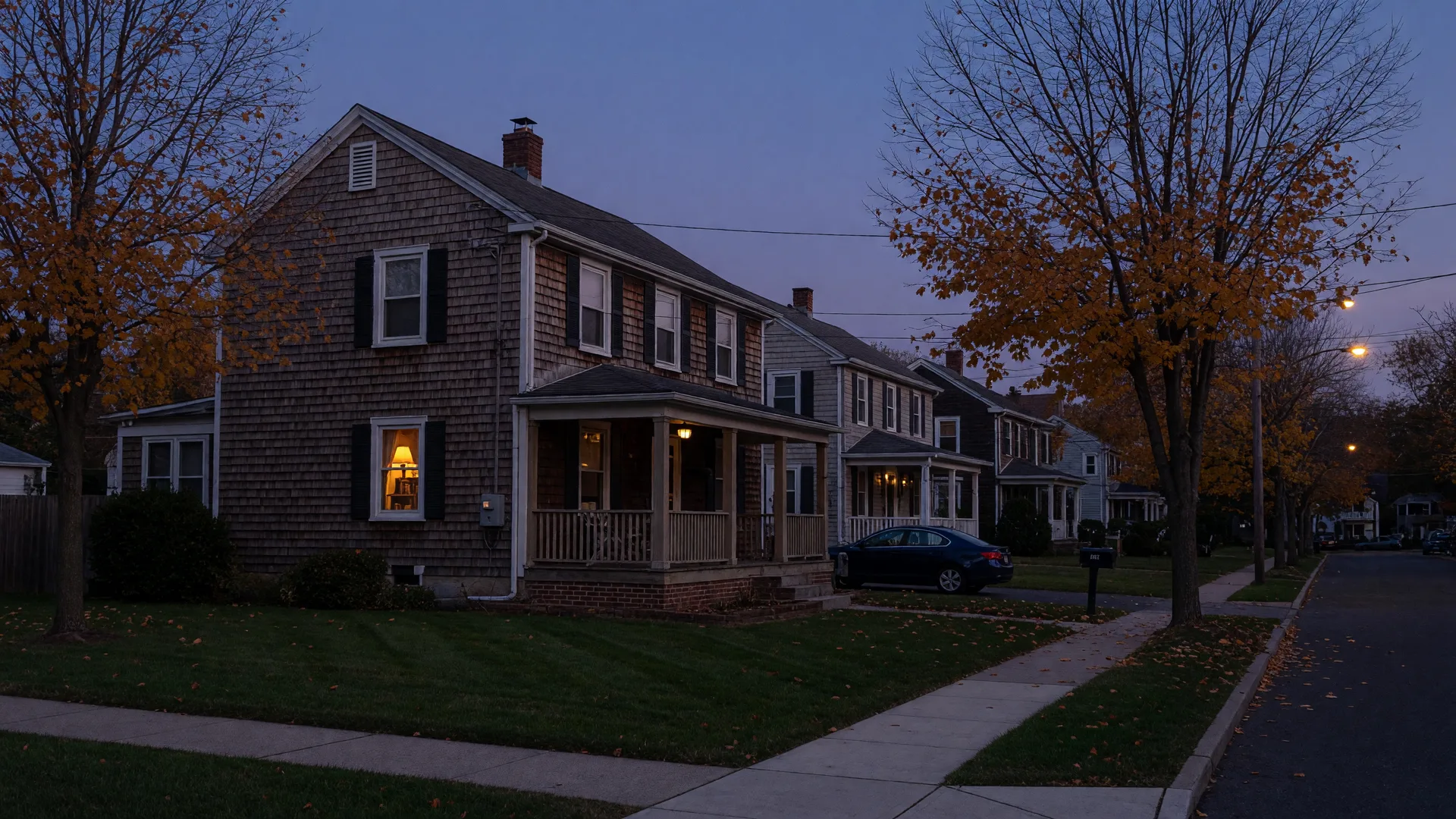
Facing Foreclosure in New Jersey? Here Is the Real Timeline to the Sheriff's Sale and Every Option You Still Have

If the first foreclosure letter landed on your kitchen table, stop and take a breath, because you still have options, and where you are in the process decides which ones are open. New Jersey is a judicial foreclosure state: a lender cannot take your house without filing a lawsuit in Superior Court and winning a judge's final judgment, and from the first missed payment to the county sheriff's sale the process typically runs about one to three years. That window is the whole game. Inside it you can still sell the home yourself, negotiate a short sale, hand it back with a deed in lieu, or work out the loan. Do nothing, and the decision gets made for you at an auction you do not control. Here is how the timeline actually runs in Passaic and Bergen County, and where you still hold the cards.
The Notice of Intention: Your First Deadline
Before the lender files anything, New Jersey's Fair Foreclosure Act, N.J.S.A. 2A:50-53, requires a Notice of Intention to Foreclose. The lender has to tell you in writing that you are behind and open a window to cure the default, generally around 30 days. Pay the arrears plus late fees and costs inside that window and the loan is reinstated. Miss it, and the file moves forward.
Treat the notice date on that letter as a hard deadline, not a bill to get to eventually. If there is any way to catch the payments up, do it inside those first 30 days, because once the lawsuit is filed the costs get steeper and the options get narrower.
Why a New Jersey Foreclosure Takes a Year or More
In many states a lender can push a fast foreclosure through. Not in New Jersey, where the lender files a lawsuit in the Superior Court, Chancery Division, and a judge must enter the final judgment before anything can sell. Contested cases slog through motions and hearings; even clean cases move at court pace. Plan on roughly one to three years from the first missed payment to the sheriff's sale, depending on the county and whether you fight.
That long timeline is an asset, if you use it. Ask yourself the honest question early: do you want to keep the house? If yes, your targets are reinstating the loan, a repayment plan, or a modification that genuinely works. If no, your target is a controlled sale before a judge signs a judgment. The owners who lose the most sit in the middle, while every month of unpaid mortgage, taxes, and insurance eats equity a sale could have turned into cash for them.
After the Judgment: The Sheriff's Sale and the 150-Day Clock
Once the lender wins the final judgment, it asks the court for a writ of execution and hands the sale to your county sheriff. New Jersey law now requires the sheriff to hold the auction within 150 days of receiving that writ, so the date is real. Before it arrives, you get one more lever: the borrower can request two adjournments of about 28 to 30 days each under court rule 4:65-2 to push the sale back. That is time, and time is exactly what a short sale needs for lender approval.
Here is what nobody hears before it is too late. At a sheriff's sale the bidding starts around what the lender is owed, and the lender itself usually wins by bidding the debt. Proceeds go by lien priority and you do not control the price. If your home is worth more than you owe, the sheriff's auction is the worst place in Passaic or Bergen County to sell it, because that equity belongs on your side of the table.
The 10-Day Redemption and the Deficiency Question
After the sale, New Jersey gives you a short redemption window: 10 days under court rule 4:65-5 to buy the property back by paying the judgment in full plus interest, costs, and the purchaser's expenses. It is a real right, but most owners facing a sale cannot raise that kind of lump sum in ten days.
Then comes the question that keeps owners up at night: the deficiency. If the sale does not cover the debt, the lender can file a separate lawsuit in the Law Division to chase the difference. New Jersey's fair market value credit, N.J.S.A. 2A:50-3, protects you: you get credited the property's fair market value, not the low auction bid, so the lender cannot buy cheap and collect the gap twice. Deficiency suits are the exception, not the rule, but the possibility is real, and the credit damage from a foreclosure lasts for years either way.
The Deed in Lieu: The Quiet Exit
If you want out and there is no equity to protect, the lender may accept a deed in lieu of foreclosure: you voluntarily sign the property over and the lawsuit ends. Under New Jersey court rule 4:64-1B(c)(2), a proper deed in lieu bars a deficiency suit afterward, which makes it a clean exit when nothing is left on the table. The trade-offs are real: no proceeds, and the lender gets free of charge what it would have spent years and legal fees getting through the courts.
A deed in lieu is only the best option in a narrow case: no equity, no realistic buyers, and a lender that puts the terms in writing. If there is equity, it is usually the wrong choice.
The Math That Changes Once the Clock Starts
This is where an experienced agent changes the outcome. If you have equity, the move is to sell on the open market while the timeline allows: you control the listing, the disclosures, and the price, and the net proceeds are yours. If you owe more than the house is worth, a short sale is the way out, and the lender's loss mitigation team wants a defensible broker value and a complete hardship package, or your file sits in the pile while the sheriff's clock runs. If you are not sure where to start, the steps are written out in my distressed seller checklist.
I have worked these deals across Passaic and Bergen County for 15 years, and I am certified as a Short Sales and Foreclosure Resource specialist. I am also the first AI-Certified Realtor in North Jersey, and that matters in exactly this situation: I use current market data and AI-assisted pricing to produce the kind of defensible value documentation a lender has to respect, while also showing you what the sheriff's auction would really return if you waited. On a home like a $600,000 Clifton colonial, that difference is not pencil talk. It can be the difference between walking away clean and facing a deficiency you could have avoided.
The Bottom Line
The New Jersey foreclosure is a machine built on deadlines: a 30-day cure period, a lawsuit and final judgment, a writ of execution, a 150-day sheriff clock, two adjournments, a 10-day redemption, and a possible deficiency. You do not get to choose the machine, but you do get to choose your seat in it. Move while the judgment is still forming and you can sell the home like a normal seller, negotiate a short sale, or end things cleanly with a deed in lieu. Do nothing, and the machine decides for you.
Facing Foreclosure in North Jersey? Let's Map Your Exit
I am a certified Short Sales and Foreclosure Resource specialist. I will show you what your home is worth, which path nets you the most, and how to use the time you still have. Free consultation, zero pressure, honest numbers.
North Jersey's AI-Certified Realtor with 15+ years of experience. Specializing in probate sales, short sales, and distressed properties in Passaic and Bergen County.